7 Essential Steps for Inspecting a Tiny Home Before Purchase
Thoroughly inspect before buying. With 128 listings averaging $76,236, ensure your tiny home is sound, functional, and legal with our essential checklist.

Published under the Nomad Adjacent masthead. This guide was produced with AI assistance and is bylined to the company rather than an individual writer — we don’t attach invented author names to it. Read our editorial standards, or email us to request a correction.
With over 128 active listings on the Nomad Adjacent marketplace and an average price hovering around $76,236, tiny homes are attracting a swarm of buyers seeking both affordability and sustainability. But here's the thing—before you leap into this compact lifestyle, a careful inspection is crucial to ensure your cozy dream doesn't morph into a miniature nightmare.
Foundation and Structure Integrity
When it comes to tiny homes, a solid foundation isn't just a metaphor—it's essential. Most tiny homes rest on trailers, piers, or are anchored to permanent foundations. Each type has its own quirks and regulations, and getting familiar with them could save you from a world of trouble.
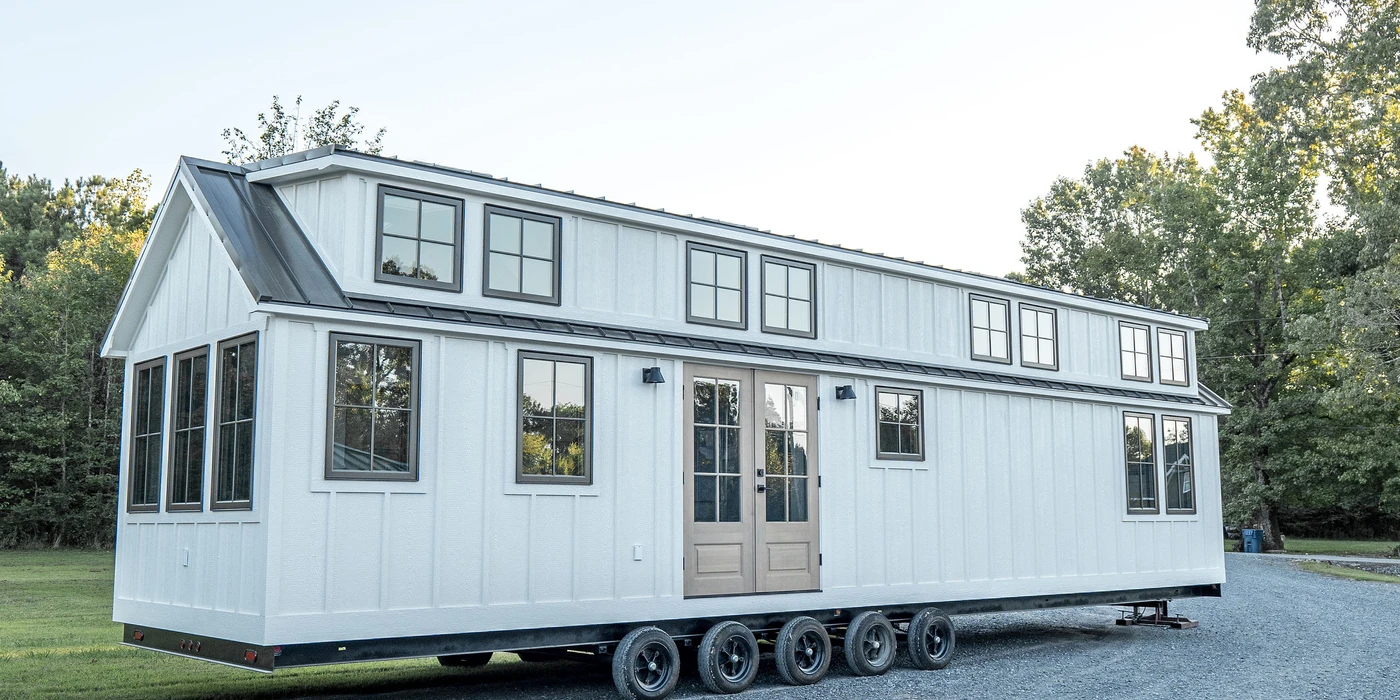
Consider the Timbercraft Bunkhouse, a prominent listing on our marketplace. Priced at $171,000 with a solid structure, this handcrafted tiny home is built to last. In contrast, other homes with different foundation types might not offer the same level of stability. Stability is not just about comfort; it’s about compliance too. Local zoning laws can vary wildly, and a misstep here could mean you end up moving your home somewhere else—or worse, unable to live in it legally at all.
During your inspection, keep an eye out for cracks or shifts in the foundation and structure. These can be warning signs of bigger issues lurking beneath, potentially leading to costly repairs. If you're unsure, consider consulting with a professional who understands the nuances of tiny home construction.
Plumbing and Electrical Systems
No one wants to live in a house—even a tiny one—where the plumbing and electrical systems are constantly on the fritz. Ensuring these systems are properly installed and compliant with local codes is a non-negotiable step in your inspection process.
The Timbercraft Bunkhouse serves as a prime example here as well, featuring quality elements like Jeld-wen windows, which are a hallmark of high construction standards. But don’t be fooled by appearances alone. Run all water faucets to assess water pressure and check all outlets with a tester. A missed problem here can snowball into a much larger issue later, especially in a compact space where every element is interconnected.
Finally, don't just trust the seller’s word on compliance. Review documentation and, if possible, speak with previous owners or renters. It's one thing to have a certified system; it's another to have one that holds up under regular use.
Insulation and Climate Control
Effective insulation can make the difference between a comfortable tiny home and a sauna on wheels. Especially if you aim to live in areas with variable climates, knowing what kind of insulation is in the walls is vital.
The Timbercraft Bunkhouse uses spray foam insulation, setting a high bar for energy efficiency. This type of insulation creates a seal that prevents air leaks, which is crucial for maintaining temperature control and reducing energy usage. When comparing other listings, inquire about the type of insulation used and its R-value, which measures thermal resistance.
Ask the seller for past utility bills to gauge what you might expect to pay for heating and cooling. This step offers a peek into future costs, helping you budget accordingly.
Interior and Exterior Materials
The materials used inside and out are more than just a visual choice; they affect longevity and maintenance. Durable materials mean less worry about wear and tear, which is crucial when space is limited and repairs can be more intrusive.
Take the Timbercraft Bunkhouse, with its custom cabinets and standing seam metal roofing. These are not just stylistic choices—they're practical decisions that enhance the home’s durability. In contrast, some listings might cut costs with cheaper materials, which can lead to higher maintenance needs later on.
As you inspect, prioritize listings that showcase robust material choices. This can often be a tell-tale sign of a build that’s meant to last, saving you time and money in the long run.
Space Utilization and Layout
In a tiny home, smart space utilization is king. The layout can greatly influence how livable a space feels, and it’s crucial to ensure the design aligns with your lifestyle.
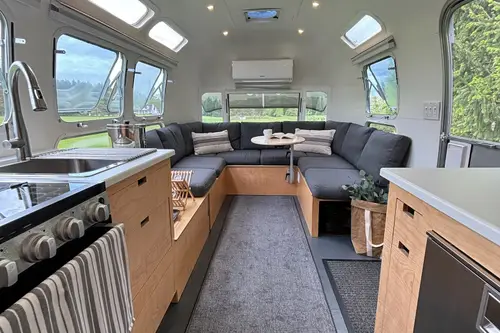
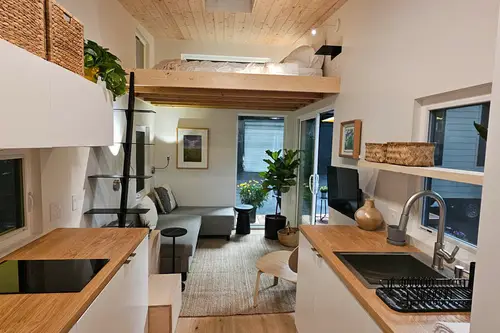
The Timbercraft Bunkhouse has a unique three-bedroom layout. Such spatial ingenuity demonstrates how you can maximize functionality within a compact footprint. When comparing listings, look for homes that offer versatile solutions to common space challenges, such as multi-purpose furniture or lofted sleeping areas.
Think carefully about your daily routine and how different layouts might support or hinder it. If you work from home, is there a quiet corner for an office? If you love to cook, does the kitchen setup fit your needs? These considerations can make or break your tiny living experience.
Comparing Tiny Home Listings: Timbercraft Bunkhouse vs. The Competition
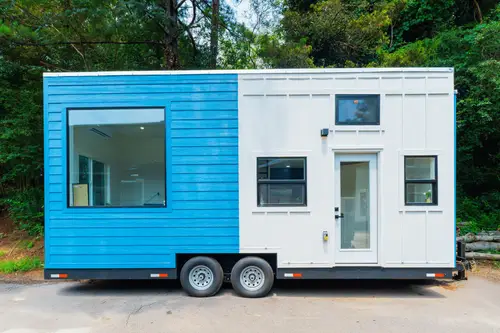
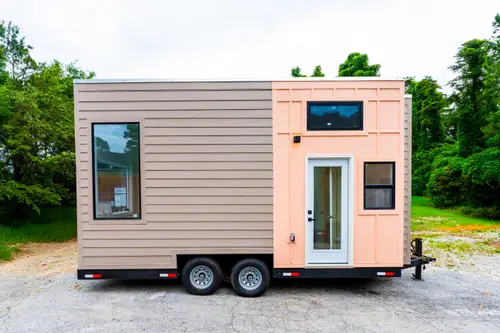
Let's take a closer look at what your dollar gets you in the world of tiny homes. The Timbercraft Bunkhouse in Guntersville, Alabama, is a solid contender. At $171,000 for 399 square feet, it offers a 3-bedroom layout that's rare in the tiny home universe. Its custom craftsmanship includes spray foam insulation and standing seam metal roofing, features you don't always find in other listings.
But what if your budget is more in line with the average listing price of $76,236? You're looking at more modest options, likely smaller homes with fewer luxury finishes. Compare this to the Timbercraft, and you start to see the value in spending a bit more for quality and space. However, smaller homes can still be fantastically livable if they nail the essentials and come with strong build quality. This is where reading reviews and considering past customer experiences can be invaluable.
Practical Buying Advice: Financing and Budgeting
Here's something that might surprise you—financing a tiny home isn't always straightforward. Traditional mortgages are tough to snag for homes under 400 square feet, which is why personal loans or RV loans are common alternatives. According to the tiny house communities directory, many buyers allocate about 30% of their budget to land acquisition, especially if they're planning to set roots in a permanent location.
When planning your budget, remember that the base price of the home is just the beginning. Costs for transportation, legal fees, and potential land improvements can add up quickly. And let's not forget the hidden costs like permits, insurance, and utilities. A smart rule of thumb? Add an extra 20% on top of your initial budget to cushion against unforeseen expenses.
Evaluating With a Critical Eye: Red Flags and Must-Haves
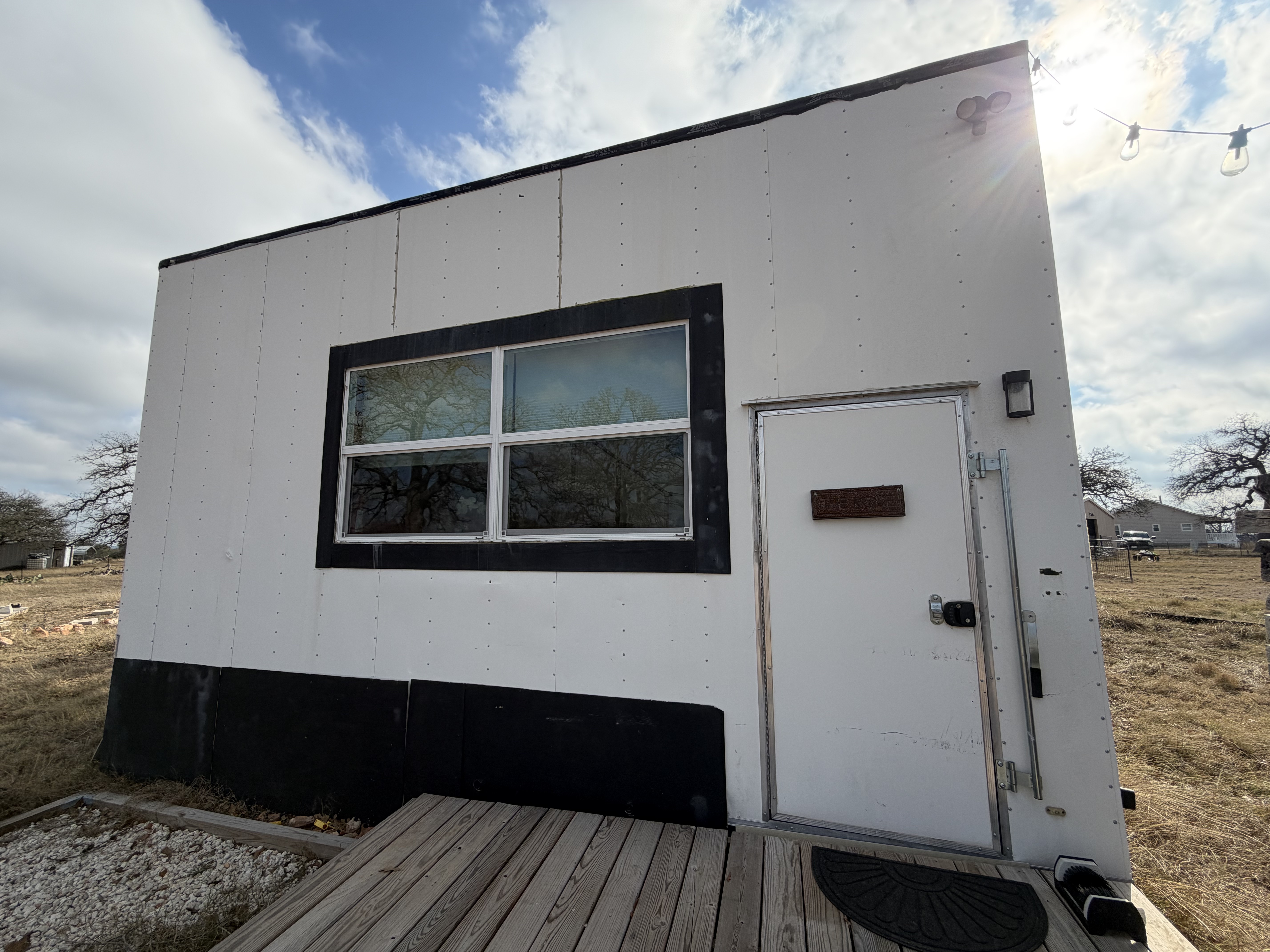
When you're checking out tiny homes, certain red flags should have you pumping the brakes. Watch for signs of poor construction like water damage or lightweight, flimsy materials. These could mean costly repairs down the line. Another subtle hint? A lack of detailed construction documentation can be a big red flag. You want a seller who can provide certificates of compliance and detailed materials lists.
On the flip side, must-haves in a tiny home include adequate storage solutions and multipurpose furniture—think tables that double as workstations or seating that includes storage. These features can transform limited square footage into practical living space. If you're diving into the tiny lifestyle, our builder directory is a great resource to find homes that meet these standards.
Finally, always ask for a thorough walkthrough or a virtual tour before committing. This way, you can get a feel for the space and spot any potential issues before they become your headache.
Permits, Zoning, and Legal Considerations
The legal landscape of tiny homes is a maze. Understanding local zoning laws and securing necessary permits can dramatically affect where and how you can live.
Timbercraft Tiny Homes has delivered to at least 30 states, including Hawaii, which speaks to their understanding and compliance with diverse local regulations. This breadth is reassuring, but never assume a one-size-fits-all approach will work. Each location has its own set of rules and challenges.
Before you commit, consult local authorities to ensure you can legally live in your chosen home and location. This step isn't just about dodging fines—it's about securing peace of mind.
Figuring out the tiny home market doesn't have to be daunting. By following this inspection checklist, you can purchase with confidence, knowing your investment is sound. As interest in tiny homes continues to swell, staying informed not only ensures a wise purchase but also contributes to the broader movement of sustainable living. For more insights and to explore available listings, visit our marketplace and check out the latest articles on alternative housing solutions.