6 Essential Tips for Choosing Between On-Wheels and Foundation Tiny Homes
At $75,975 average, tiny homes vary widely. Learn to choose between on-wheels and foundation options with 6 practical tips.

Published under the Nomad Adjacent masthead. This guide was produced with AI assistance and is bylined to the company rather than an individual writer — we don’t attach invented author names to it. Read our editorial standards, or email us to request a correction.
Did you know that the average price of a tiny home on Nomad Adjacent is $75,975? Yet, the market offers a vast range from mobile tiny homes to sturdily built foundation units. Choosing the right type can significantly affect not only your lifestyle but also your financial investment.
Understanding the Basics: On-Wheels vs. Foundation Tiny Homes
Here's the thing: not all tiny homes are created equal. They primarily fall into two categories — On-Wheels (THOWs) and Foundation-based. THOWs offer unmatched mobility. They’re your best friend if you love the idea of avoiding property taxes and relish the freedom to relocate whenever the itch strikes. Think of it as living in an RV but with a design flair your grandma’s camper never had.
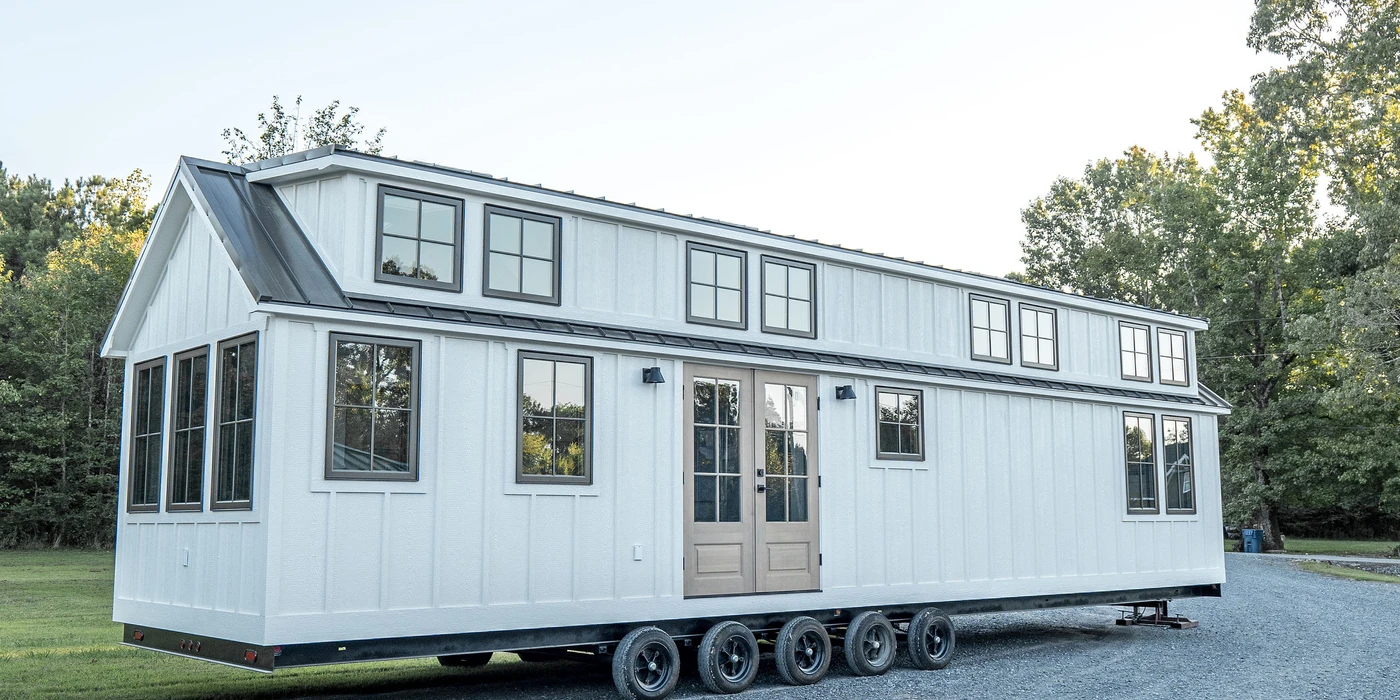
On the other hand, foundation homes are essentially miniature versions of the traditional house. They provide stability, peace of mind during storms, and a potential bump in long-term investment value. They’re like the Timbercraft Bunkhouse listed at Nomad Adjacent for $171,000 — a solid, permanent residence that doesn't compromise on tiny living charm. Despite its petite size, this handcrafted home in Alabama feels anything but temporary with its 399 sq ft of usable space including three bedrooms.
So, which lifestyle aligns with your goals: the road-ready, parking lot warrior or the steadfast, community-integrated homebody?
Cost Analysis: Initial Investment and Long-Term Expenses
The financial side of tiny living isn't as small as the houses. The initial investment for on-wheels tiny homes ranges from $45,000 to $90,000. That's a pretty sweet deal if you consider the ability to hit the open road at will. Foundation homes, however, typically start at $100,000 and can go up to $200,000, reflecting their more permanent nature.
But don't just look at the sticker price. Maintenance, insurance, land leases for THOWs, and property taxes for foundation homes are the real cost culprits. If you're spending $75,975 on average, you're somewhere in the middle, leaning towards people who balance between cost and functionality. Want specifics? Calculate not just your upfront costs but ongoing expenses. Factor in everything from maintenance to potential land lease fees for a complete financial picture.

Space and Design: Customization vs. Constraints
Space is at a premium in tiny living. Foundation homes offer a bit more room to play with design. You can add quirky touches and custom layouts without worrying about aerodynamics or weight restrictions. Ever seen a 3-bedroom layout in a tiny home? Check out Timbercraft's Bunkhouse. It’s a design feat, packing three bedrooms into just 399 sq ft. If that's not an architectural flex, I don't know what is.
THOWs, though smaller, prove that limitations often spark the most creativity. Clever design hacks, like collapsible furniture and space-saving storage, turn constraints into opportunities. Consider what level of customization you need and whether a compact, efficient design meets your needs or leaves you feeling cramped.
Regulations and Permits: Figuring out Legal Requirements
Regulations can be a headache, but a necessary one. The IRC codes, HUD guidelines, and a myriad of zoning laws dictate where and how you can place both on-wheels and foundation homes. THOWs often skirt around property tax rules, but that doesn't mean they're without restrictions. It varies by state, so getting involved early with local regulations is key.
Timbercraft’s success, spanning deliveries to at least 30 states, is a testament to understanding and figuring out these legal mazes effectively. Whether your dream home settles on a plot or takes off down the highway, research is your best friend. Avoid costly mistakes by being informed.
Lifestyle Considerations: Mobility vs. Community
Here's a question for you: Do you value the open road or the bonds of a local community? On-wheels homes cater to nomadic souls, those who thrive on changing landscapes and spontaneous adventures. These homes are ideal for travel enthusiasts who want to wake up to a new view every morning.
Foundation homes, however, often find themselves tucked into tiny house communities where like-minded individuals gather. This lifestyle offers more than just a home; it’s about building relationships and creating a lasting presence. If you're interested, our community directory offers a glimpse into various locations where tiny home lovers are putting down roots.
Comparing Listings: Timbercraft Bunkhouse vs. Nomad's Under-the-Radar 20-ft Container Home
When it comes to investing in a tiny home, it's all about finding that sweet spot between cost, size, and features. Let's compare the Timbercraft Bunkhouse with another listing: a 20-ft container home. Both are current gems on Nomad Adjacent's marketplace.
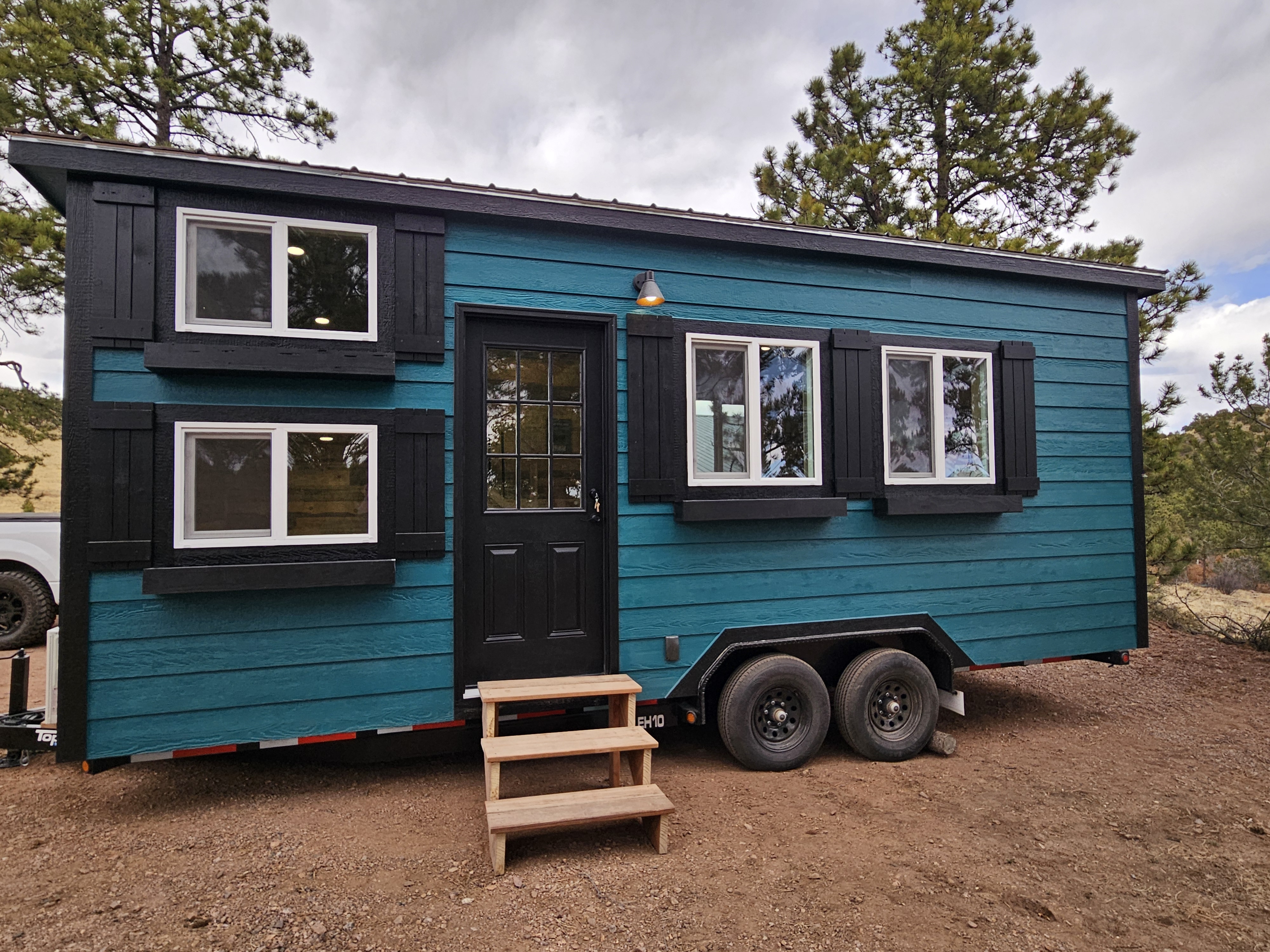
The Timbercraft Bunkhouse at $171,000 is not just a tiny house; it's a tiny mansion in disguise. With 399 sq ft crafted into three bedrooms, it’s a marvel of efficient design. Meanwhile, our 20-ft container home is a minimalist's dream, with a more modest footprint and price of $58,000. Doesn't get much humbler or more mobile than that. This stripped-down dwelling doesn't have the same room count but offers a different kind of freedom, especially if your plan is to keep your living costs as lean as your space.
Now, before you make a choice, consider what you value more: the Timbercraft's artisanal quality and room to breathe or the container's compact simplicity and lower price tag. It’s like choosing between a Cadillac and a smart car. Both will get you where you want to go, but the ride is a whole lot different. With only 128 active listings like these on the market, these homes move fast, so you'll need to weigh your priorities quickly.
Practical Buying Advice: Budgeting for the Big Decision
Sometimes, the price tag doesn't tell the whole story. At an average market price of $75,975, you're looking at a starting point, not the finish line. Financing a tiny home can be tricky since traditional home loans don't always apply. Considering alternatives like personal loans or RV financing for THOWs can be a smart move. Make sure you’re setting aside around 10-15% of your budget for unexpected expenses—trust me, they’ll come. It could be anything from land preparation to local permitting fees that catch you by surprise.
Remember, you’re not just buying a home; you’re buying a lifestyle. Use our builder directory to connect with experienced builders who can help you estimate your total costs, including any hidden ones. And while you’re at it, don't forget the less sexy but crucial costs like insurance, maintenance, or, in the case of THOWs, potential land leases. The devil, as they say, is in the details.
Evaluating Tiny Homes: The Good, The Bad, and The Ugly
Let's cut to the chase: not every tiny home listing is created equal. When you're evaluating options, keep an eye out for red flags. Structural integrity is a big one—look for solid craftsmanship, quality materials, and no shortcuts in essential systems, like plumbing and electricity. If it's a THOW, inspect the trailer's condition; a rusty base can be a costly headache down the line.
Must-haves vary per person, but a few universal truths apply. Good insulation is key, especially if you plan to brave multiple climates. Also, ensure there are no gaps in paperwork: proper permits can save you a bureaucratic nightmare later. If you’re eyeing a container home, check the condition of the metal and any previous use—some containers have held hazardous materials.
Don’t skip the inspection. A few hundred dollars on a thorough check now can save tens of thousands later. There’s a reason industry veterans say, "inspect before you invest." These homes are often custom builds, so ask for detailed records of construction, materials, and any upgrades. If anything seems off, trust your gut and dig deeper or walk away. The marketplace's modest count of listings means patience is key, but the perfect fit is worth the wait.
Resale Value and Investment Potential
Let’s talk dollars and sense. Tiny homes may be small, but when it comes to resale and investment, they pack a punch. Foundation homes often appreciate over time, making them attractive if you're considering long-term financial gain. Companies like Timbercraft, with their solid reputation, provide a level of assurance that can bolster resale value, even in tiny form.
On-wheels homes might drop in value due to wear and tear, much like a vehicle. However, their unique appeal and flexibility can counterbalance depreciation. Think about the long-term investment potential, especially if you plan to sell down the line. The trick is aligning your choice with both personal desires and financial foresight.
As you figure out the exciting journey of choosing between on-wheels and foundation tiny homes, the key is aligning your decision with your lifestyle goals and financial plans. Whether you crave the freedom of the open road or the stability of a fixed foundation, your choice will shape your tiny living experience for years to come. Explore our tiny homes for sale to find your perfect match and take the next step in your tiny living adventure.