6 Essential Tips for Buying an Off-Grid Home on a Budget
With 120 listings at $73,115 avg, these tips make off-grid living affordable. Check out essential buying strategies for your budget.

Published under the Nomad Adjacent masthead. This guide was produced with AI assistance and is bylined to the company rather than an individual writer — we don’t attach invented author names to it. Read our editorial standards, or email us to request a correction.
With over 120 active listings in the off-grid housing market and an average price of $73,115, finding your dream off-grid home might seem overwhelming. But knowing what to look for and understanding the essentials can transform this challenge into an opportunity to live sustainably and affordably.
Understanding Off-Grid Infrastructure Needs
Here's the thing: not all off-grid homes are created equal, especially when it comes to infrastructure. You need the right systems in place to truly live independently of municipal services. The essentials? Solar power, water collection, and waste management.
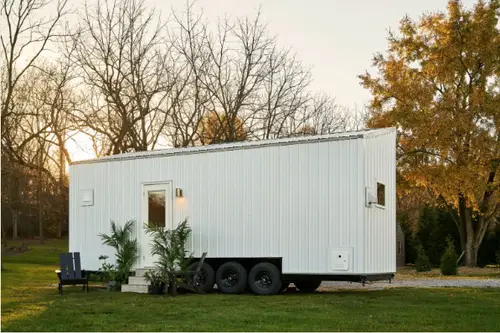
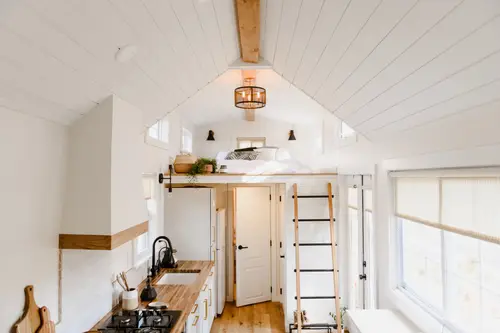
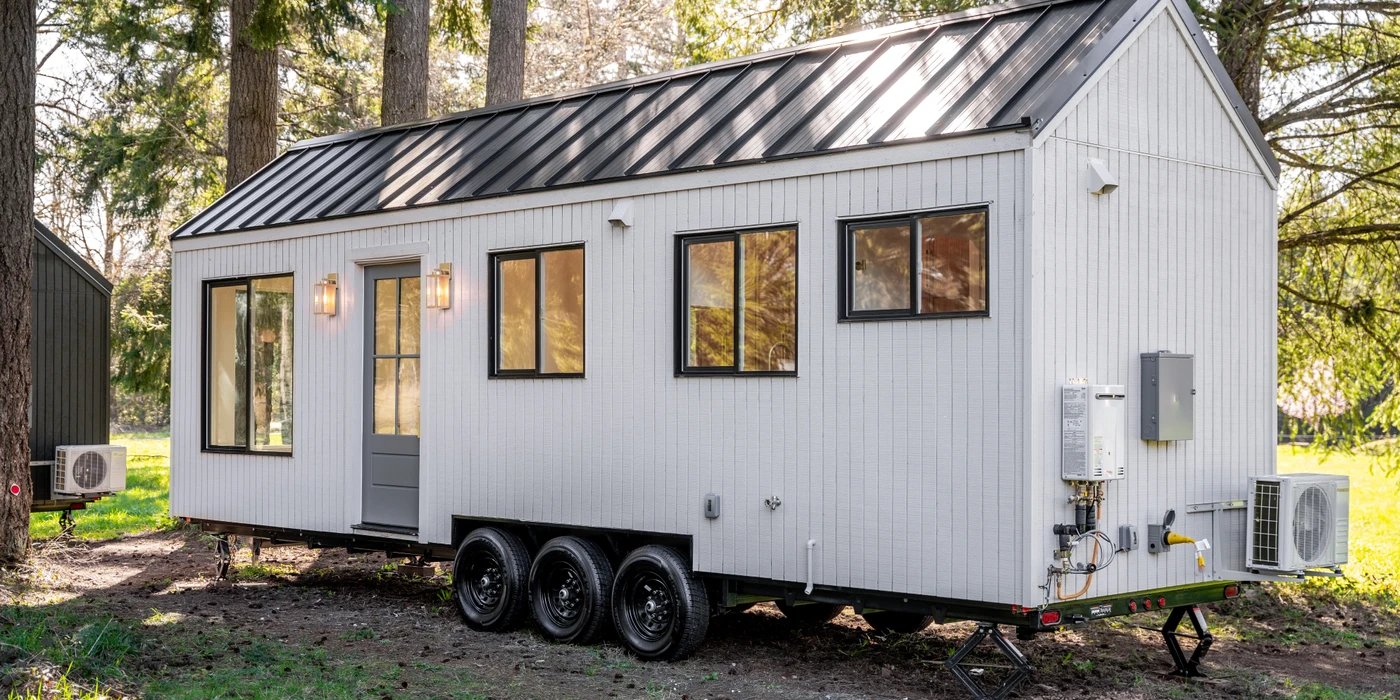
Take the 2024 Modern Tiny Home in Portland, Oregon, for instance. Priced at $124,000, this home isn’t just about its 836 sq ft of living space. It’s RV certified, meaning it's built to ANSI and NFPA standards, crucial for off-grid setups. This certification ensures that the home has met specific safety standards, which is vital when you’re relying on self-sustained systems.
Not all homes in the marketplace have such comprehensive infrastructure. Comparing listings, those with robust systems may carry higher price tags, but they offer long-term savings. Why? Because effective solar panels and efficient water systems reduce utility expenses drastically.
Investing in quality infrastructure upfront might be pricey, but it’s the cornerstone of sustainable living. It’s the difference between thriving off-grid or constantly managing unpredictable breakdowns. If you're serious about this lifestyle, it's worth every penny.
Budgeting for Your Off-Grid Adventure
When diving into off-grid living, budgeting is key. On average, homes in the marketplace go for about $73,115. This price can go up if you’re eyeing high-end listings like the Portland tiny home, which, with its additional features, costs $124,000.
So, what are you really paying for? Beyond the walls, it’s the integrated systems—power, water, and waste—that often dictate pricing. Don't forget to factor in maintenance. These systems require upkeep, and savvy budgeting should include a reserve for unexpected repairs or upgrades.
For financing, conventional mortgages might not cut it. Look into personal loans or specialized off-grid financing products. Some lenders understand the unique value of these homes and might offer terms that align better with your needs.
Equipping yourself with a clear budget plan ensures that you can enjoy the off-grid freedom without financial strain. Focus on both the initial purchase and the ongoing costs to avoid surprises down the road.
Figuring out Zoning and Permits
Zoning. The mere word can make a potential off-grid enthusiast shudder. It's one of the significant hurdles you’ll face. Zoning laws vary, and what's permissible in one area can be a non-starter in another. Portland’s regulations, for example, are known for their complexity, especially for non-traditional homes.
The 2024 Modern Tiny Home is a prime example. Its RV certification helps navigate some zoning restrictions, as it's built to move. However, knowing your local codes is critical. Some areas might require additional permits for off-grid components like solar panels or composting toilets.
Understanding ANSI and NFPA standards for RV-certified homes can be your guide through the permit jungle. These certifications often ease the permitting process, but always double-check with your local authorities.
The key is research and persistence. Look for communities that are off-grid friendly. There are many tiny house communities that support alternative living arrangements, and knowing these can help you find not just a home but a community.
Comparing Different Types of Off-Grid Homes
Off-grid homes come in various flavors, each with its unique appeal. Whether it’s a tiny home, container home, or a skoolie, understanding the differences can save you a headache (or a wallet ache) down the line.
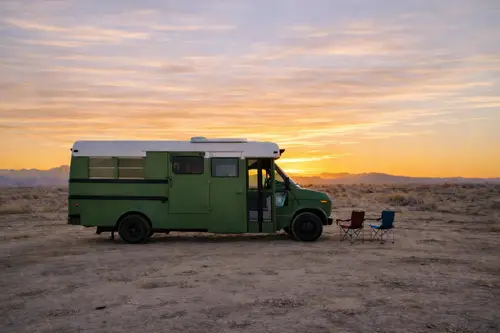
Your options are as diverse as your imagination. The tiny home category offers structures like the Portland $124,000 home, but if you're feeling more industrial chic, check out the container homes. For those who crave mobility, there are van conversions that turn every day into a road trip.
Consider the space, mobility, and built-in systems when comparing. A $73,115 home might lack some bells and whistles but could be perfect if you’re willing to retrofit as you go. On the other hand, paying more upfront might balance out once you factor in the cost of adding or upgrading systems later.
In the end, it’s about aligning your choice with your lifestyle. Whether you prioritize size, mobility, or system sophistication, the goal is to find a place that feels like home.
Customization and Personalization
One of the joys of living off-grid is the opportunity to make your home truly yours. Customization is more than a luxury—it's a necessity for functionality and satisfaction.
The Portland tiny home, for instance, allows for changes to plans and finishes, with a lead time of 2-3 months for custom builds. This flexibility can make a significant difference in how well the home serves your needs.
Current marketplace trends show a growing interest in custom designs. Buyers are seeking homes that reflect personal values and lifestyles, not just generic prefab options. This demand influences market prices, as customized homes can command higher values.
Customization adds value in more ways than one. Besides personal satisfaction, it can enhance the resale value of your home. It's a strategic investment that pays off when you decide to move or upgrade.
Head-to-Head: Portland's Modern Tiny Home vs. a Minimalist Alternative
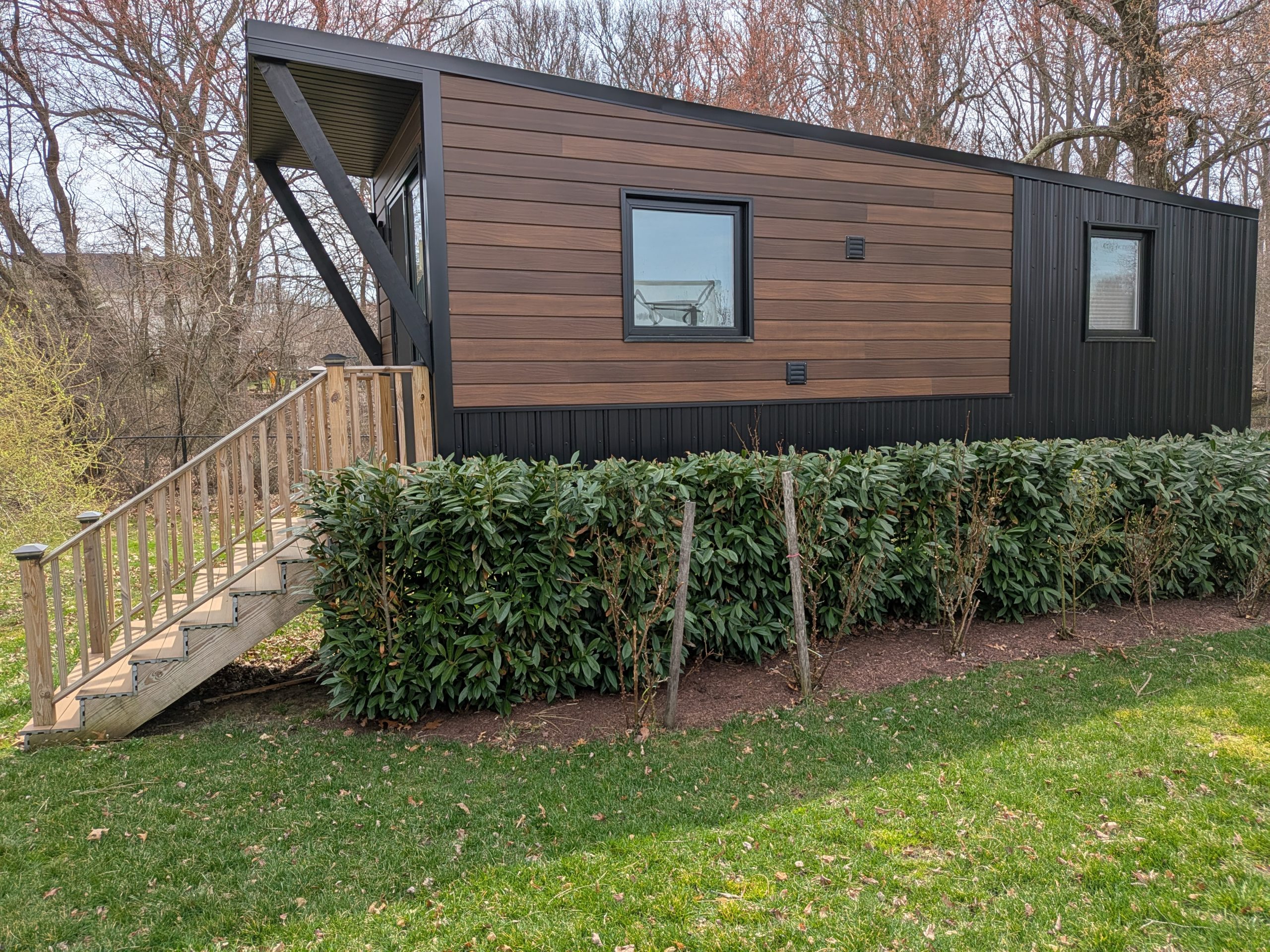
Let's look into a side-by-side of two off-grid options. The 2024 Modern Tiny Home in Portland, with its 836 sq ft, 1-bedroom configuration, and advanced certifications, stands out at $124,000. It’s RV and NOAH certified, which not only assures safety but also eases some permit headaches. Compare this with a more minimal listing: a 320 sq ft compact unit, priced at $55,000. It lacks the fancy certifications but offers the essentials—solar readiness and a basic composting toilet.
The key difference isn’t just in the price tag. The Portland home’s certifications tie directly into long-term savings and peace of mind. Its comprehensive systems mean fewer upgrades, translating into less hassle over time. On the other hand, the smaller option is a blank canvas, perfect for someone keen on rolling up their sleeves and adding personal touches. Check out more tiny homes for sale to see how different features match up.
Practical Buying Advice: Crunch Those Numbers
Here’s a straightforward tip: allocate at least 10-15% of your budget for unexpected expenses. With the average price at $73,115, that's an additional $7,311 to $10,967 you should reserve for surprises. Financing? You're not using a conventional mortgage here. Look into personal loans or seek out lenders that understand the value of a home you can actually hook up and drive away.
Financing doesn’t have to be a quagmire. Some financial institutions now offer green loans targeting sustainable living. These come with perks like lower interest rates and friendlier terms. Make sure to understand any hidden costs like property site preparation, which can sneak up on you. Check out our blog for more insider tips on financing alternative homes.

Evaluating Off-Grid Homes: What to Watch For
Before you look into the off-grid market, knowing what to inspect is crucial. Red flags? Look for non-certified systems, which might save money upfront but could cost you in repairs or inefficiencies later. Ensure the home’s power setup—solar or otherwise—is adequate for your needs. If it claims to be off-grid ready, ask for proof of the system’s capacity and age.
Water collection and waste management often get underestimated. Ensure the home has reliable systems for both, otherwise, you’re looking at additional investments post-purchase. For peace of mind, have a professional inspect these systems. Remember, it’s not about finding a perfect listing—it's about finding one that won’t become a money pit. Connect with the community through our tiny house communities directory to learn from others' experiences.
Building or Buying: Weighing Your Options
To build or to buy, that is the question. Each path has its pros and cons, and your decision might hinge on your budget, timeline, and personal preferences.
Building allows for ultimate customization, but it requires patience and potentially more cash upfront. The Portland listing suggests a lead time of a few months for custom builds, which is a commitment not everyone can make. On the flip side, buying a pre-built home offers immediate occupancy, often at a lower initial cost.
Cost analysis shows that buying might save you in the short term, but building can result in a home perfectly tailored to your needs. A smart strategy might be to explore both options: check out the current listings, but also consult our builder directory if you lean towards a more personal touch.
As the trend of off-grid living grows, so do the options and resources available. Understanding the essentials—from infrastructure to zoning—and weighing the pros and cons of different housing types allows you to find or create the perfect off-grid home tailored to your lifestyle and budget. Whether you choose to build or buy, the path to off-grid living is an adventure worth every effort.