7 Crucial Zoning Law Tips You Need to Know Before Buying an Alternative Dwelling
68% face zoning woes post-buy. Avoid pitfalls with these 7 tips before buying your alternative dwelling.

Published under the Nomad Adjacent masthead. This guide was produced with AI assistance and is bylined to the company rather than an individual writer — we don’t attach invented author names to it. Read our editorial standards, or email us to request a correction.
Did you know that 68% of alternative dwelling buyers face unexpected zoning challenges after purchase? Understanding zoning laws is crucial for anyone considering joining the vibrant community of tiny home, container home, or van conversion owners. With an average listing price of $75,665 on Nomad Adjacent, this is an investment worth safeguarding.
Understanding Zoning Laws: The Basics
Zoning laws are the unsung guardians of our living spaces, dictating how land can be used and what kind of structures can sit on it. They impact everything from building height to the type of dwelling allowed, which means understanding these laws can make or break your alternative dwelling dreams.
For alternative dwellings like tiny homes, container homes, and van conversions, zoning laws can dictate where you can park, how long you can stay, and what facilities you need. Common restrictions might include minimum square footage requirements or prohibitions against permanent residence in structures classified as RVs.
Take a look at the average price of $75,665 for tiny homes. It's a chunk of change that deserves protection. To ensure you're covered, you need to know how zoning laws interact with standards like the IRC Appendix Q and guidelines from HUD.
Zoning Challenges for Tiny Homes on Wheels
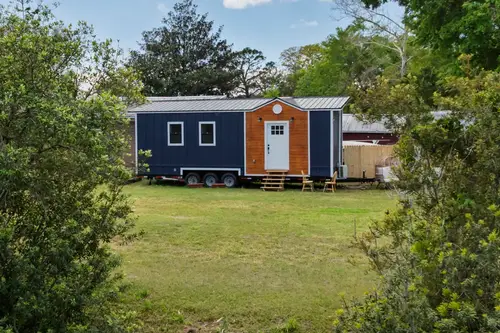
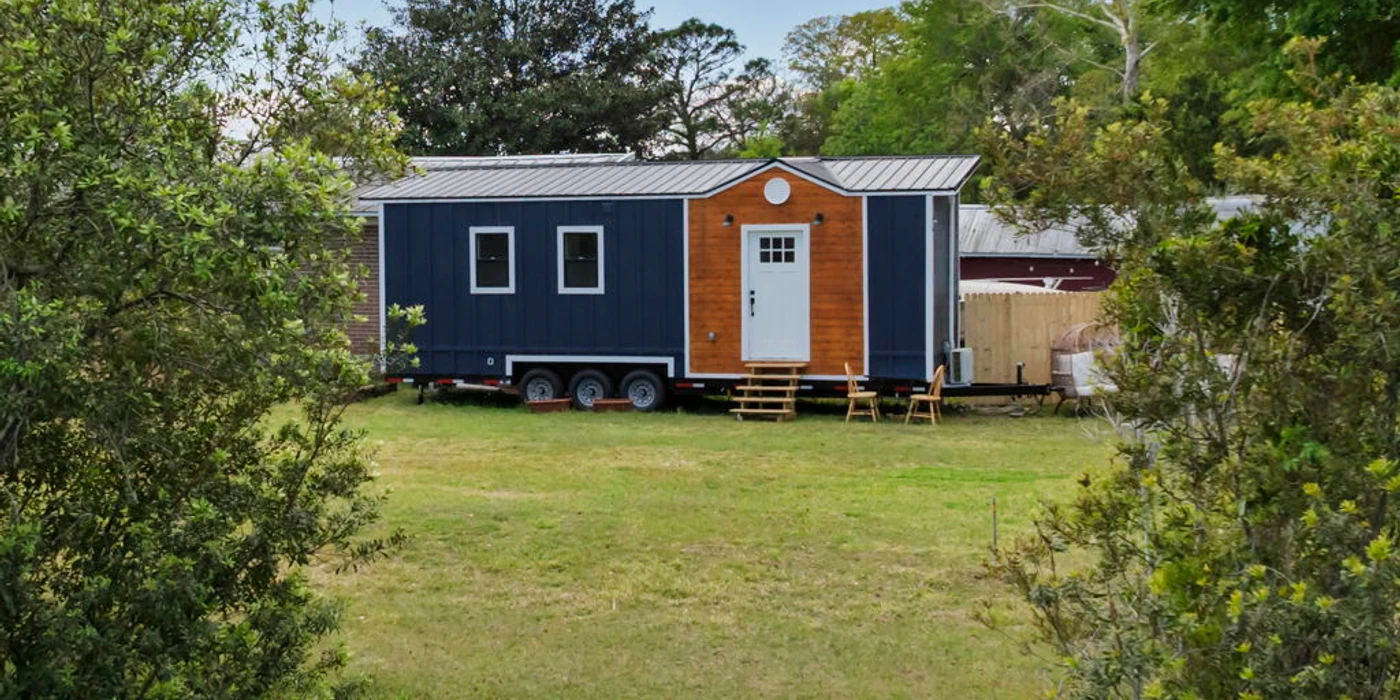
Tiny homes on wheels bring their own set of zoning challenges. Often, they're classified as RVs, which can limit where you can legally park them. The "Certified, downstair sleeping, full size kitchen and bath" listing in Jacksonville, Florida, priced at $60,000, exemplifies the beauty and complexity of tiny living on wheels.
With free delivery and setup, this 30 ft x 8.5 ft home is ready to roll—if zoning allows. Sometimes, the best move is joining a tiny house community, where zoning laws are more lenient, and you're surrounded by like-minded people.
To navigate these murky waters, consult your local zoning office and connect with advocacy groups championing tiny home living. They can guide you through red tape and even help you work towards changing laws that restrict tiny homes on wheels.

Container Homes: Figuring out Building Codes and Zoning
Container homes stand out as a creative reuse of materials, but they come with their own zoning hurdles. Structural stability, insulation, and fire safety are hot topics when it comes to approving these homes.
Unlike traditional homes, which fit neatly into zoning laws, container homes can face tricky restrictions. Are they houses or something else? The zoning and building code requirements can sometimes feel as rigid as the steel they're constructed from.
Working with certified builders is key to ensuring compliance. Before you close a deal, check if your land is zoned for container homes. The last thing you want is to buy your dream plot only to learn you can't legally plant your container home on it.
Van Conversions: Where Can You Legally Park?
For those with a thirst for the open road, van conversions blend mobility with minimalism. Yet, parking that home legally isn't always straightforward.
Some cities like Portland and Austin are more laid-back about van dwellers, while others have stringent laws. If you're contemplating a van conversion, check out the available options that might suit your lifestyle and legal requirements.
Apps that help locate van-friendly parking spots can be lifesavers. They guide you to cities and places that welcome nomadic living, easing the worry of where to set up camp legally for the night.
Strategies for Overcoming Zoning Obstacles
When zoning obstacles crop up, get creative. Applying for variances, which allow for exceptions to the zoning rules, is one way to tackle restrictions.
Successful alternative dwelling owners often share stories of working closely with zoning boards and leveraging community support to change laws. Browsing listings in areas known for relaxed zoning laws can also be an effective strategy.
Engage with and build your community. Collective voices are powerful and can influence local zoning changes. Joining forces with others can remove barriers not just for you, but for future alternative dwelling enthusiasts too.
Comparing Listings: What You Get for Your Money
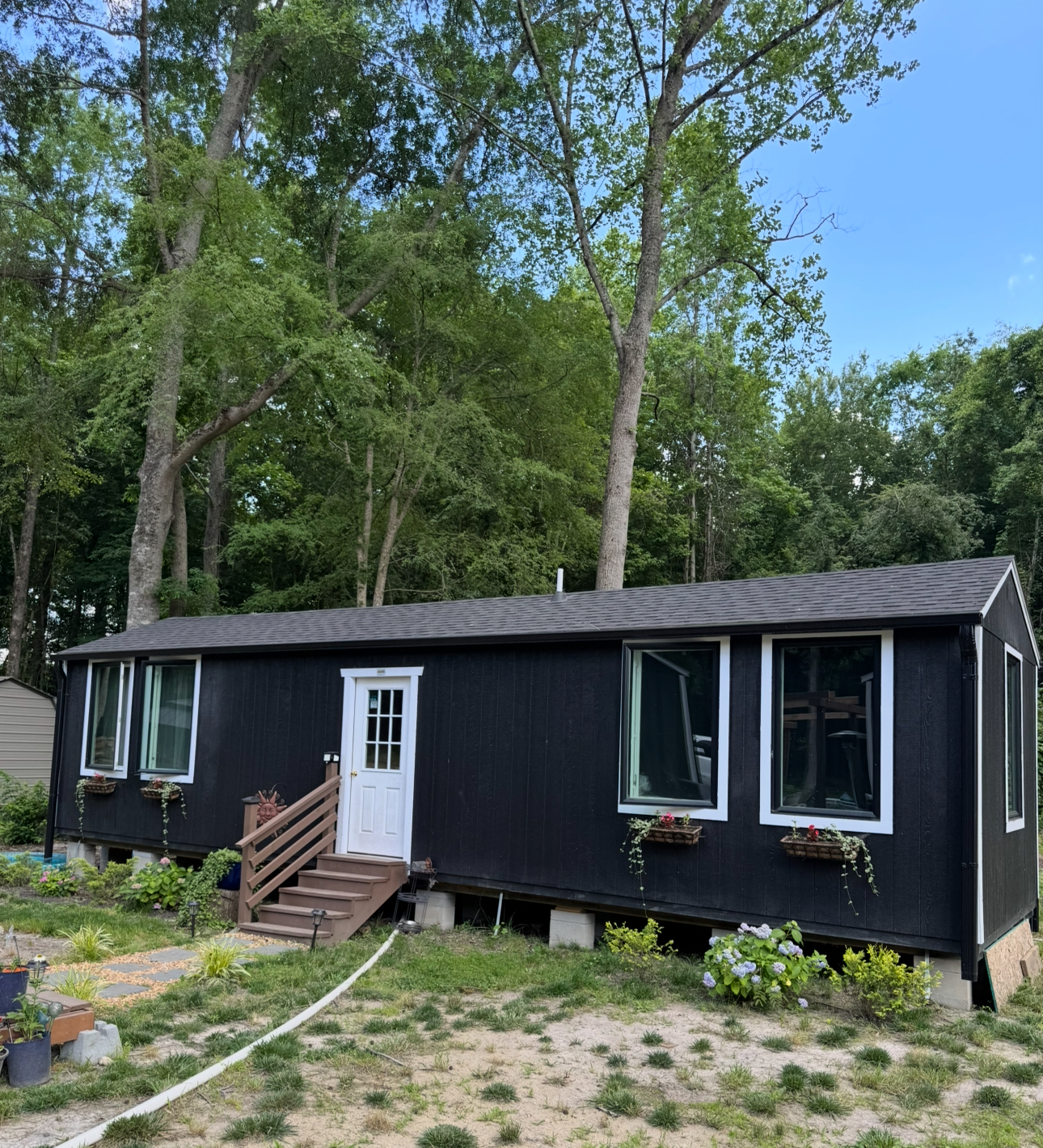
Let's talk specifics. At Nomad Adjacent, you'll find a range of alternative dwellings, but how do you decide which one is right for you? Consider two standout listings: the "Certified, downstair sleeping, full size kitchen and bath" tiny house in Jacksonville priced at $60,000, and another top-of-the-line option. Both have their unique features, but let’s take a closer look.
The Jacksonville tiny house spans 935 sq ft and is a brand new, mobile solution with a full-size kitchen and bath—ideal for those who need that extra touch of home-like living. Meanwhile, in the container home category, you might find a listing of similar size but with different materials and design quirks. Check out the container homes to see how they stack up in terms of cost and features against the $75,665 average price. Each serves a distinct lifestyle, yet both offer a glimpse into affordable, compact living.
Factor in the delivery perk with the Jacksonville home—free delivery and setup is no small thing when you’re juggling a tight relocation budget. Compare those details thoroughly before purchasing. After all, what use is a lower sticker price if transportation costs eat your savings?
Practical Buying Advice: Budgeting for Your Alternative Dwelling
When it comes to budgeting for an alternative dwelling, realistic number crunching is your best friend. With the average listing price of $75,665, these homes are more attainable than traditional houses, but don't let that lull you into ignoring hidden costs.
First, consider financing. Many potential buyers overlook the fact that not all traditional mortgage lenders are onboard with alternative dwellings. Look into the options, such as RV loans or personal loans, which might have higher interest rates. Fannie Mae’s accessory dwelling guidelines might offer some clarity on mainstream financing opportunities.
Next, allocate a budget for potential zoning compliance expenses. Legal consultancy fees and possible renovations to meet local codes can quickly add up. Paying for a consultation with a certified builder could save you from hefty fines later. And don't underestimate ongoing costs like site maintenance and travel expenses if you're planning to relocate your home.
Evaluating Homes: Red Flags and Must-Haves
Before you hit "purchase," you need to become a bit of a detective. Evaluating these alternative homes requires a discerning eye. Let’s talk red flags and must-haves.
Start with construction quality. Look for signs of water damage or poor insulation, especially in van conversions or container homes where retrofitting might not be done up to snuff. The van conversion market offers some unique finds, but be on the lookout for dubious DIY jobs masquerading as professional work.
Prioritize homes with clear, full documentation, especially regarding zoning compliance and any necessary certifications like the RVIA seal. A lack of transparency here is a red flag. Also, don't bypass the inspection step. Hire a professional who understands alternative dwellings specifically. You'd be surprised how many buyers skip this crucial step only to find themselves in a teardown situation months later.
Finally, think about the lifestyle fit. Are you more of a nomad at heart or do you crave a stable base within a vibrant community? You can browse for alternatives within tiny house communities that could offer that sense of belonging while sidestepping zoning issues altogether. This decision is as much about your daily life as it is about dollars and square footage.
Preparing for a Successful Purchase: Checklist and Resources
Before laying down cash on your alternative dwelling, arm yourself with a robust checklist. Know the zoning laws and how they impact your dream build.
Resources abound—local zoning offices, online databases, and forums filled with experienced owners who have been through the zoning wringer. If you're hesitating, consider renting an alternative dwelling first. The Jacksonville tiny home is available on Airbnb, offering a taste of tiny living.
For further insights, visit our blog where you'll find articles tailored to help you make informed decisions about zoning and alternative living.
As the alternative housing movement continues to grow, staying informed about zoning laws can empower you to make smart buying decisions. By understanding the legal landscape, you can secure a dwelling that not only meets your lifestyle needs but also aligns with local regulations. Embrace the journey of checking out unique living spaces, and let knowledge guide you to your perfect home.