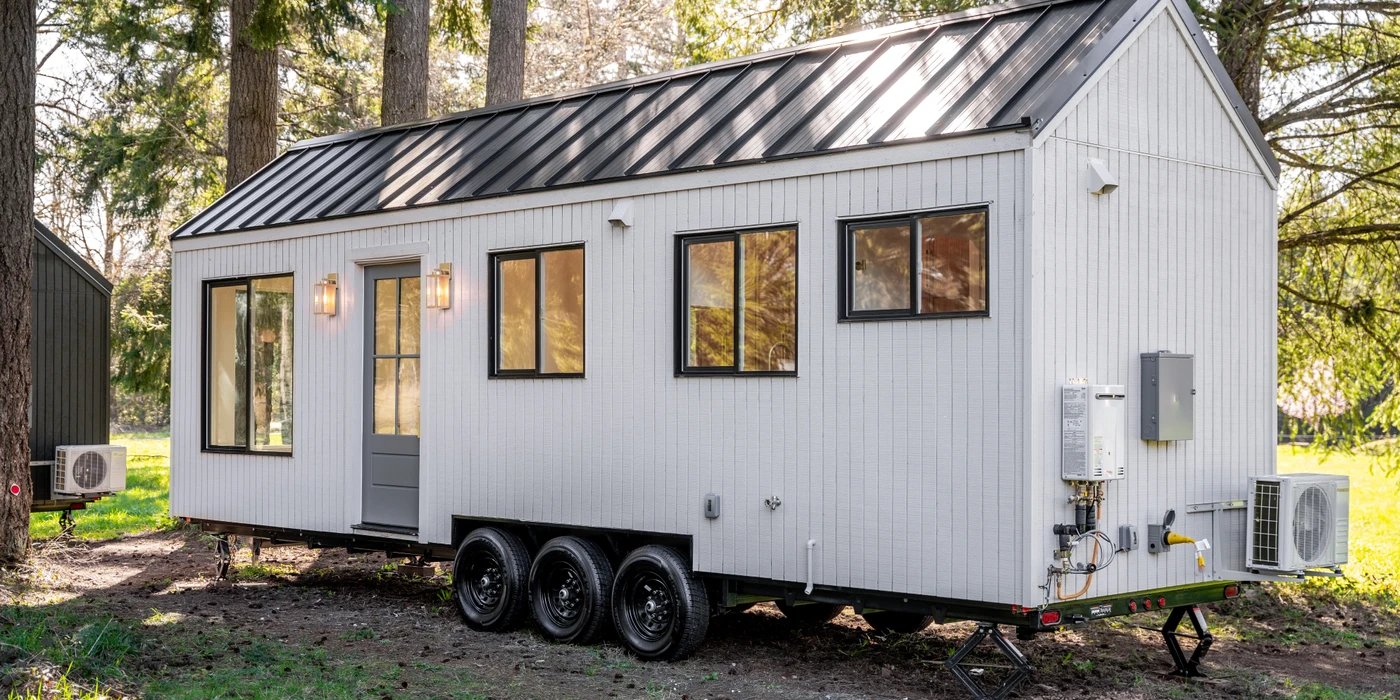
Tiny Homes Unveiled: Minimalist Living for Under $76K
Explore tiny homes with an average cost of $76,190. Check out why these compact dwellings are becoming the future of sustainable living.

Published under the Nomad Adjacent masthead. This guide was produced with AI assistance and is bylined to the company rather than an individual writer — we don’t attach invented author names to it. Read our editorial standards, or email us to request a correction.
Did you know the average tiny home in the U.S. costs just over $76,000? Some luxurious models even reach up to $214,000. As the trend toward minimalist living grows, tiny homes are becoming an increasingly attractive option for those looking to downsize without sacrificing comfort.
The Tiny Home Market Landscape
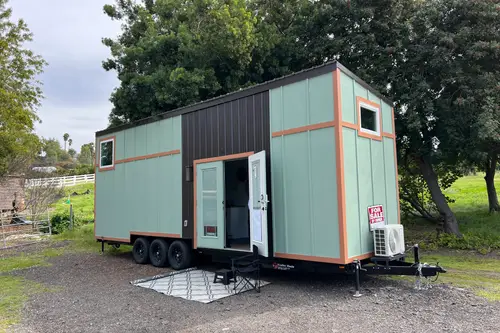
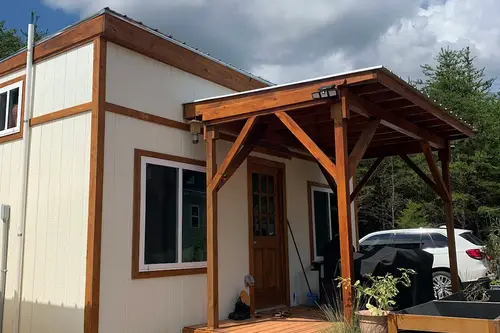
The tiny home movement isn't just a fad; it's a seismic shift in how we view living spaces. With 111 total tiny homes listed on Nomad Adjacent, it's clear that the demand for these compact dwellings is strong. The average price sits at $76,190 with an average size of 891 square feet, which makes them an accessible choice for many.
You'll find tiny homes scattered across the U.S., from Texas (leading with 11 listings as of today) to California, and even Pennsylvania and Washington, each boasting 8 listings. This trend isn't just about cutting costs—it's a lifestyle choice, reflecting a broader shift toward minimalism and sustainability. If you're thinking about making the leap, check out our tiny home listings to see what's out there.
Pricing and Size Comparisons
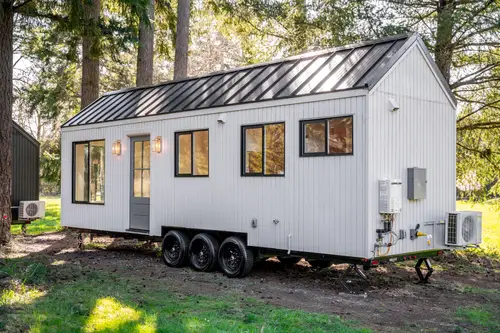
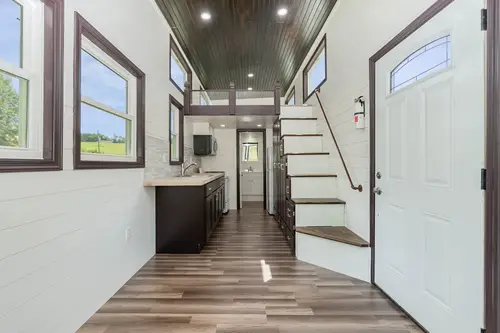
Consider the 2024 Modern Tiny Home in Portland, Oregon, priced at $124,000. It's a bit above the average, but it comes packed with features: 836 square feet, 1 bedroom, 1 bathroom. Comparatively, prices on the Nomad Adjacent marketplace range from as low as $8,500 to a whopping $214,000. So, what's the deal with the price range? It comes down to location, certifications like ANSI and NFPA, and how much you want to customize.
If you’re torn between going for a budget-friendly model or splurging on something more luxurious, remember, the real value lies in how well the home fits your lifestyle needs. The cost of a tiny home might seem steep at first, but when you compare it to traditional housing, you're looking at a serious bargain.
Regional Highlights: Where Tiny Homes Thrive
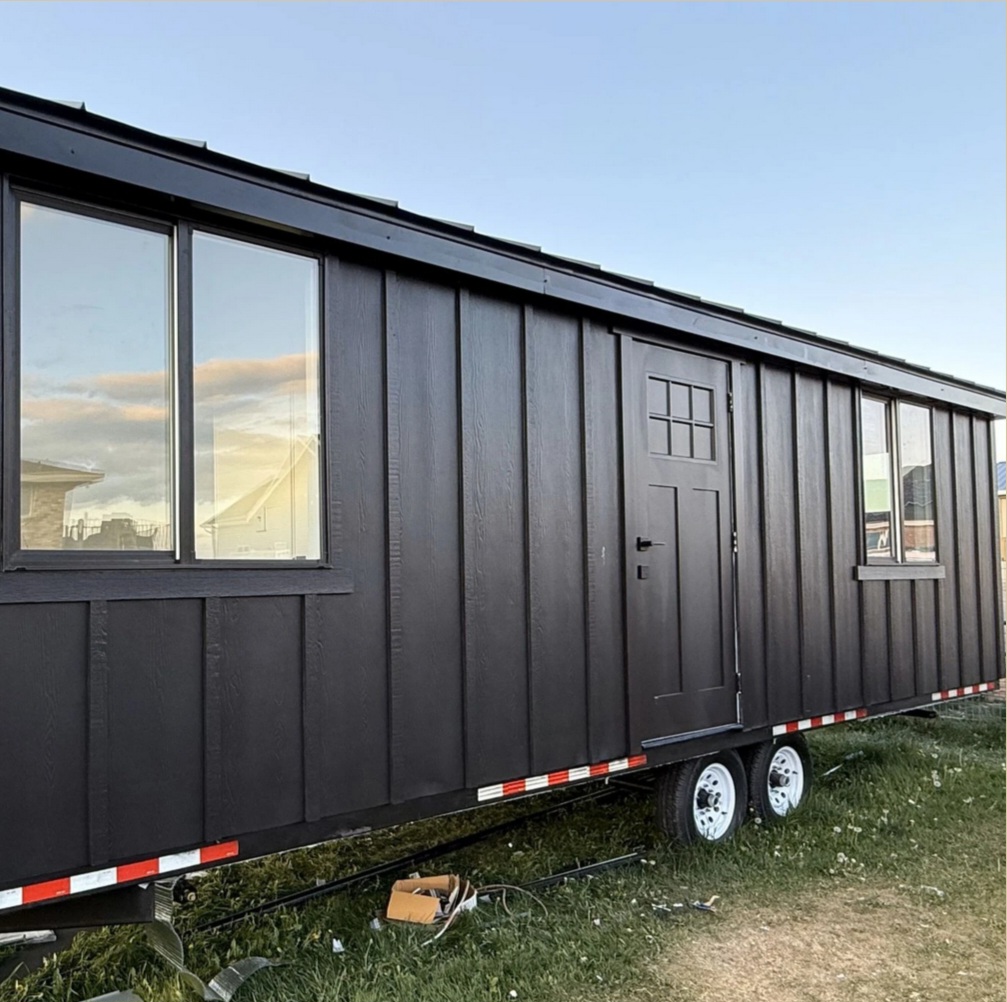
So, where are tiny homes booming? Besides Texas and California, states like Pennsylvania, Washington, and Georgia are catching up. Each of these states offers 8 listings, showing how widespread the movement is. Favorable zoning laws play a big part in why these areas have embraced tiny living. In Texas, for example, unincorporated counties have more relaxed rules, making it easier to set up shop.
But let's zero in on Oregon for a minute. The tiny home scene in Portland is particularly vibrant. With the 2024 Modern Tiny Home listing, we're seeing how local laws and community support contribute to a thriving tiny home culture. For more insights, check out our community directory to explore tiny living spaces across the country.
The Economics of Tiny Living
Living tiny isn't just about downsizing your stuff; it's about maximizing your savings. With an average cost of $76,190, tiny homes cover land, construction, and sometimes even utilities. The potential savings in the long run can be significant. Lower utility bills, less maintenance, and potential tax benefits sweeten the deal. If budget constraints are holding you back, various financing options are available, so don't count yourself out just yet.
When you compare tiny homes to traditional housing, the numbers speak for themselves. While the average American home offers more space, the utility costs and upkeep make it a financial drain. Tiny homes average around 1.27 bedrooms—a testament to efficient living. Not to mention the environmental benefits: reduced carbon footprint, less waste, and the chance to live a greener life. Not too shabby, right?
Figuring out the Buying Process
Buying a tiny home isn't like picking up a loaf of bread at the grocery store. It requires some legwork. Start by browsing our listings to see what's available. Certifications matter: RV, ANSI, NFPA, and NOAH are your assurance of quality and safety. Builders often offer customization options, making it possible to tweak the layout, trailer size, or finishes to suit your taste.
The lead time for custom builds is typically 2-3 months, depending on how fancy you want to get. Our builder directory is a good place to start if you're considering going custom. Remember, every detail counts—from the foundation to the roof—when you're building your dream tiny home.

Comparing Two Standout Listings: A Deep Dive
Let's put two intriguing listings head-to-head: the 2024 Modern Tiny Home in Portland and a $214,000 marvel in California. The Portland offering costs $124,000 with 836 square feet, featuring 1 bedroom and 1 bathroom. It's ANSI and NFPA certified, meaning it meets rigorous safety standards. Meanwhile, the California contender sits at the high end of the market, maxing out the price spectrum and likely boasting features that justify its steep cost (we're talking about high-end finishes, maybe solar panels, or a prime location near the coast).
When you break it down, Portland's Modern Tiny Home offers a balance of price and features, making it ideal for someone looking to join the tiny movement without breaking the bank. Plus, you can customize it, adjusting trailer size and finishes to make it truly yours. On the other hand, the California listing might appeal if you're aiming for luxury and exclusivity. For more on options available, our listings page is your go-to resource.
Practical Buying Advice: Figuring out Costs
Here's the thing: buying a tiny home isn't just about the sticker price. Sure, the average price is $76,190, but let's talk about the extras. First off, financing. You'll find lenders like LightStream or Tiny House Lending who specialize in alternative housing loans. Expect interest rates that might range from 4% to 7%, largely depending on your credit score.
Then, real talk about budget allocation: plan on 10-15% of your budget for transport and setup, especially if you're buying a home from another state. Don't forget potential hidden costs like land rental, utility hookups, and insurance. The last thing you want is to be blindsided by extra expenses. Our blog offers a wealth of articles to help you prepare financially for tiny living.

Evaluating Tiny Homes: What to Look For
So you're ready to look into the tiny home market. But what separates a good investment from a potential headache? First, certifications are non-negotiable. Look for RV, ANSI, NFPA, or NOAH certifications, which assure you of safety and compliance with industry standards. Without these, you're venturing into risky territory.
Next, inspect the craftsmanship. Cheap materials or poor construction could mean frequent repairs down the line. Pay attention to insulation quality—it’ll save you from a sky-high heating bill in winter. Finally, consider the home's mobility. If you crave travel, a home on wheels might be your best bet. And if you're unsure where to start, our tiny home listings can offer a snapshot of what's on offer, guiding you closer to your ideal lifestyle.
Living in a Tiny Home: What to Expect
Transitioning to a tiny home isn't just about squeezing your life into a smaller space; it's a lifestyle transformation. Less stuff, less clutter, more freedom. Sounds appealing? It is, but get ready for some lifestyle adjustments. The beauty of tiny living lies in its simplicity. Creative storage solutions become your best friend, and every square inch counts.
Then there's the community aspect. Tiny homes often foster close-knit communities. Imagine being part of a tribe that shares resources, events, and maybe even potlucks. There's a strong support network available; check out our community directory for more on this.
As the demand for tiny homes continues to grow, these compact dwellings offer a glimpse into the future of sustainable and affordable living. Whether you’re drawn by the environmental benefits, the financial savings, or the minimalist lifestyle, tiny homes provide a versatile and appealing option. Explore our marketplace to find your ideal tiny home and join the movement toward a simpler, more intentional way of living.