
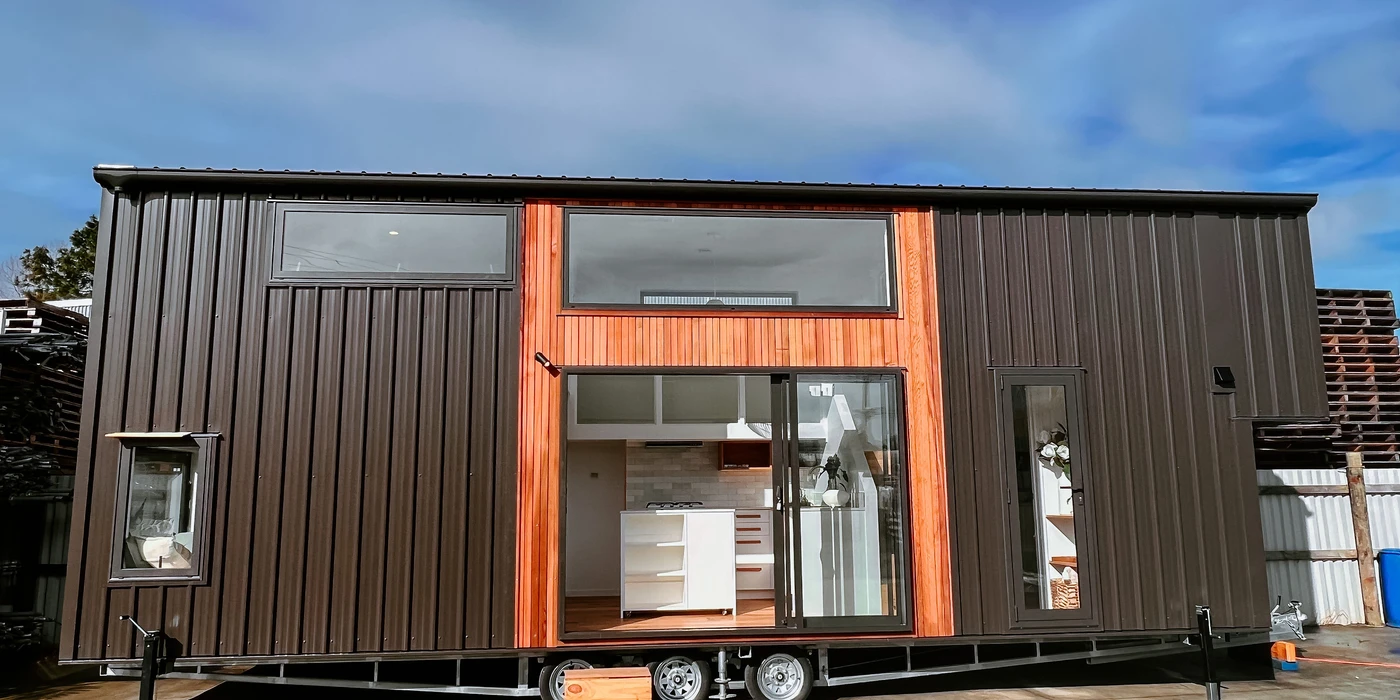
Figuring out California's Alternative Housing Market: 6 Key Insights
California's alternative homes average $88,434, well below traditional prices. Check out insights into this dynamic market with our latest data.

Published under the Nomad Adjacent masthead. This guide was produced with AI assistance and is bylined to the company rather than an individual writer — we don’t attach invented author names to it. Read our editorial standards, or email us to request a correction.
Did you know that California's alternative housing market offers homes with an average price of $88,434? Options range from as low as $34,900 to as high as $159,957. This price spectrum illustrates the growing trend towards personalized and sustainable living solutions in the Golden State. If you've ever thought about swapping out your 30-year mortgage for a compact, efficient home, this is the place to start.
Overview of California’s Alternative Housing Market
California is not just the land of soaring real estate prices; it’s also a hub for alternative housing. With 12 listings currently on the market, there’s a clear interest in non-traditional homes. The average price here is $88,434—a figure that starkly contrasts with California's conventional housing market where median home prices often shoot over $700,000. That's right, at $88,434, you can get a home for much less than the cost of a new car in Los Angeles.
In this diverse market, the types of homes available include 10 Tiny Houses, 1 Model, and 1 Tiny House Trailer. The average size is around 872 square feet, offering compact living solutions for those seeking a change. If sustainable lifestyle changes are on your radar, understanding this breadth and affordability could be your first step towards a smaller carbon footprint and larger savings account.
Spotlight on San Diego’s Luxury Tiny Home
Let’s talk luxury—tiny style. Among California's listings, the priciest option is a 32' Luxury Tiny Home in San Diego, tagged at $159,957. It might sound steep, but consider what you get: 944 square feet of smartly designed space, featuring two bedrooms, a bathroom, and a full-height kitchen with a removable island. It even has a 14-month warranty, which is practically unheard of in the tiny home world.
Compare this to the average tiny house in California, and the value is glaringly apparent. While others might offer cozy quarters, this model brings luxury into the equation. And with a six-week build time, it's almost as quick as the drive from San Diego to L.A. For those eyeing high-end tiny homes, this model provides a viable alternative to traditional luxury living in desirable locations. Maybe it's time to rethink what "luxury" really means.

Cost Analysis: Tiny Houses vs. Traditional Homes
Let's get down to numbers. The average tiny house in California will set you back $88,434, which, as we've mentioned, is a fraction of what a traditional home costs. But within this market, prices vary significantly. For instance, there's a tiny home listed at just $34,900. Then there's the aforementioned luxury model at $159,957. This range reflects how location (urban vs. rural), amenities, and design complexity can influence pricing.
According to HUD guidelines on housing affordability, tiny homes present a financially accessible entry point into California's real estate scene. These homes fit snugly within affordability frameworks, making them an attractive option for first-time buyers or those looking to downsize. Imagine getting into the California market without sacrificing your financial freedom.
Checking Out Popular Cities for Alternative Housing
Where do these homes actually sit? Well, listings are scattered across vibrant cities like Escondido, San Diego, Wilton, and Oakland, among others. Each location brings a unique flavor to the alternative housing mix. Want a bustling city vibe? Check out listings in Los Angeles and San Diego. Prefer a more relaxed atmosphere? Consider Auburn or Jamul.
These cities aren't just random choices. Places like San Diego and Los Angeles are key markets where local regulations and community acceptance have nurtured the growth of alternative housing. Understanding these factors can aid significantly in decision-making for prospective buyers. Local zoning laws and IRC codes play a massive role here, influencing how and where you can plant your tiny home roots.
Benefits of Choosing a Tiny Home in California
Why go tiny? The benefits are plenty. Starting with lower utility costs and a reduced environmental footprint, tiny homes in California fit seamlessly into the state's push towards sustainable living. Mobility and adaptability are other clear perks—you can take your home from the beaches to the redwoods if you wish.
There's also a growing community aspect to consider. Many tiny home enthusiasts are joining tiny house communities, which not only support a minimalist lifestyle but also foster a sense of belonging. For those wanting to live sustainably and socially, tiny homes offer a pathway to a life that’s rich in experiences, not expenses.
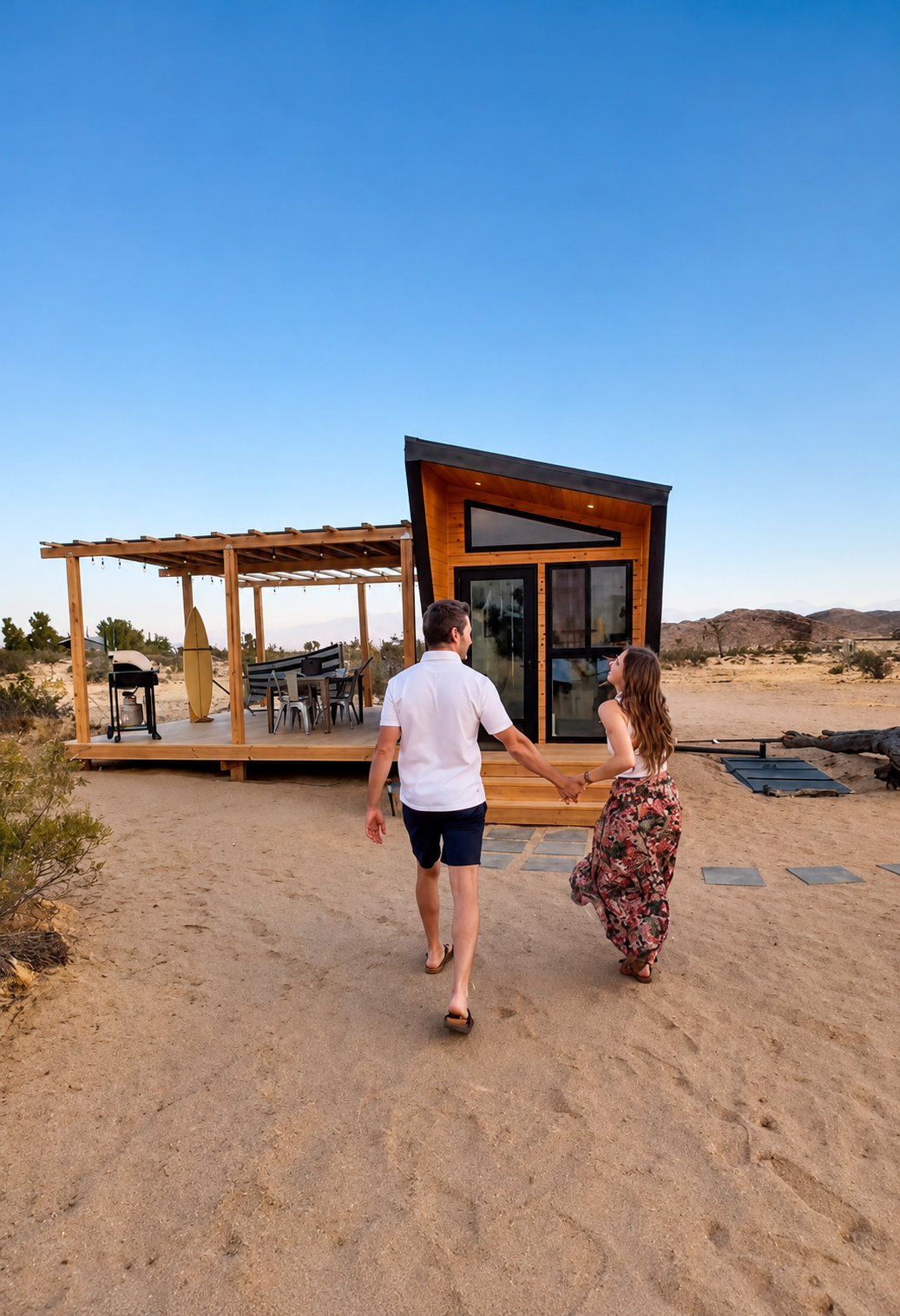
Comparing Two Standout Listings: Cost vs. Features
Let's break down two distinctly different listings in California's alternative housing market. First, you have the 32' Luxury Tiny Home in San Diego, priced at $159,957 for 944 square feet of carefully crafted design. The alternative? A more wallet-friendly choice at $34,900 for a compact Tiny House Trailer. That's a $125,000 gap, and it speaks volumes about what money buys you in this market.
The luxury model has a full-height kitchen complete with a removable island, two spacious bedrooms capable of housing king-sized beds, and a mini-split for climate control. It even comes with a rare 14-month warranty. On the other hand, the Tiny House Trailer offers a simpler, more mobile lifestyle, ideal for those prioritizing freedom over frills. Both have their charms, but your choice hinges on what's more important: high-end fixtures and warranties or minimalism and mobility.
Considering a high-end option like the San Diego model is tempting, especially if you value the longevity and stability of a fixed location. Yet, for those looking to dip their toes into tiny living without a hefty investment, the trailer offers a viable entry point. For more budget-friendly builds, check out our listing of tiny homes for sale to see how diverse the offerings can get.
Practical Buying Advice: Numbers and Negotiations
Thinking of diving into California's alternative housing market? Time to crunch some numbers. First off, consider your financing. For an $88,434 tiny home, a 20% down payment is about $17,687. That's achievable for many, especially compared to the hefty down payment on a traditional home in the area.
Financing options can vary. Some buyers might leverage personal loans while others may find construction loans more suitable if they plan to customize or expand. Check out loan options through Fannie Mae's accessory dwelling guidelines or local banks open to unique home purchases. Don't just focus on sticker price; account for insurance, site preparation, and potential community fees if you're joining one of California's tiny house communities.
Budgeting for potential hidden costs is crucial. These can range from utility hookups to additional certifications like RVIA standards if you plan to move your home frequently. Factor in an additional 10-15% of your purchase price to cover unexpected expenses. Trust me, it's better to be pleasantly surprised with leftover funds than stressed by unforeseen bills. If you're unsure where to begin, our builder directory can connect you with experts familiar with the intricacies of tiny living in California.
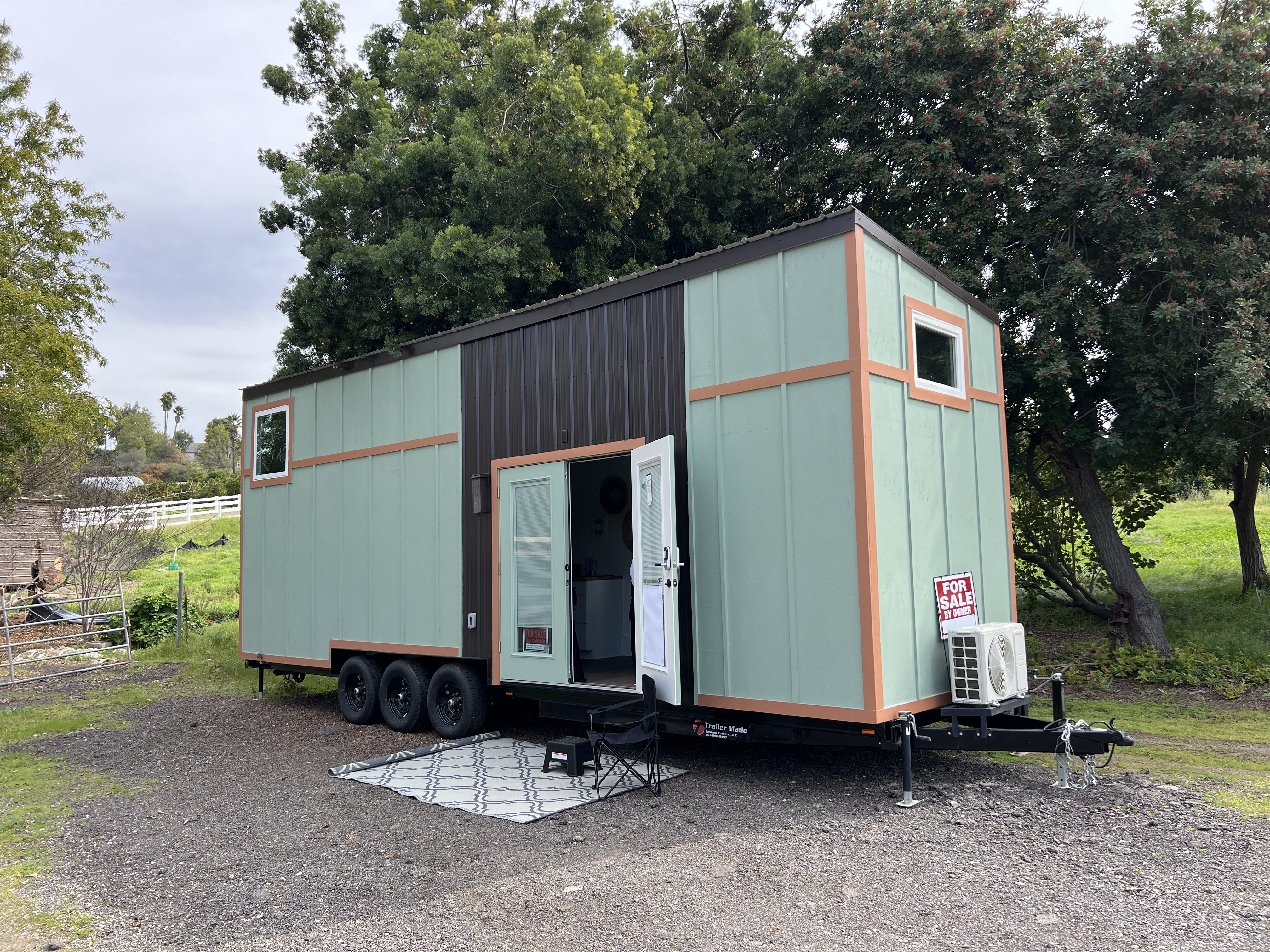
Evaluating Tiny Homes: Red Flags and Must-Haves
When evaluating these homes, it's not just about falling in love with a floor plan. Scour every inch for potential red flags. Start with the foundation. Is it up to code according to the IRC Appendix Q? Ensure windows and doors seal tightly, especially if you're considering a model built for mobility where weatherproofing is critical.
Inspect plumbing and electrical systems meticulously. Faults here can lead to costly repairs. Ask sellers about HVAC systems. A good mini-split can save you on energy bills while keeping the home comfortable year-round. Remember, square footage isn't everything. Focus on how well the space works for your lifestyle. Does the kitchen offer the appliances you need? Are there enough storage solutions to keep your space clutter-free?
Certification matters. Ensure the build adheres to HUD's federal definition for a consistent living standard. This not only impacts living quality but also resale value down the line. And don't forget the community aspect. Many buyers find value in joining established communities that offer support and shared resources. It's not just a home purchase; it's a lifestyle shift with social perks. Familiarize yourself with local zoning laws to ensure your dream location is viable. For comprehensive trends and updates, our blog covers the latest in tiny home living.
Future Trends in California’s Alternative Housing Market
What’s next for California's alternative housing scene? Market demands are pushing for more sustainable and tech-integrated homes. Legislative changes, like incentives for sustainable building, are expected to further stimulate this sector. Tiny home communities continue to grow, supported by infrastructure improvements and local government endorsements.
Staying informed is key. Our blog offers more insights and updates on housing trends. As California continues to embrace alternative housing, the opportunities for innovative and sustainable living are expanding. Ready to step beyond the traditional? The future looks promising for those eager to explore a more dynamic housing landscape.
California's alternative housing market isn't just a trend—it's a movement. Whether you're in search of affordability, luxury, or a lifestyle shift, the state's diverse offerings promise a bright horizon. Here's to finding your space in this vibrant market.