A Comprehensive Budget Breakdown for Van Conversions Across the U.S.
Check out van conversion costs across the U.S., from Alabama's high average of $139,438 to Florida's $53,030. Explore market dynamics and get practical tips.

Nomad Adjacenta month ago
Published under the Nomad Adjacent masthead. This guide was produced with AI assistance and is bylined to the company rather than an individual writer — we don’t attach invented author names to it. Read our editorial standards, or email us to request a correction.
Did you know that the average cost of a van conversion in the U.S. can vary by over $100,000 depending on the state? For instance, Alabama tops the list with an average price of $139,438, while Florida offers more budget-friendly options at an average of $53,030. It's a staggering difference, but one that makes sense when you Break down the factors contributing to these costs. Understanding these variations can help you make informed decisions as you start your van living journey.
Understanding Van Conversion Costs by State
Here's the thing: Van conversion costs aren't one-size-fits-all. Across the U.S., you could end up paying anywhere from $8,500 in Florida to a whopping $214,000 in Utah. Right now, 14 van conversions are listed in Colorado with prices ranging from $39,900 to $99,999. This kind of diversity in pricing reveals a complex market influenced by local demand, cost of living, and availability of conversion specialists.
here's the breakdown. States like Alabama, with an average van conversion cost of $139,438, reflect a higher price possibly due to fewer conversion specialists and a resulting higher cost for services. Contrast that with Florida, where $53,030 is the average, likely due to a more competitive market and affordable labor. And then there's Utah, sporting a maximum price tag of $214,000, which might include luxury builds or specialized components. The takeaway here? Know your budget constraints and investigate state-specific markets. It's a strategic way to potentially lower your costs.
What Goes Into a Van Conversion?
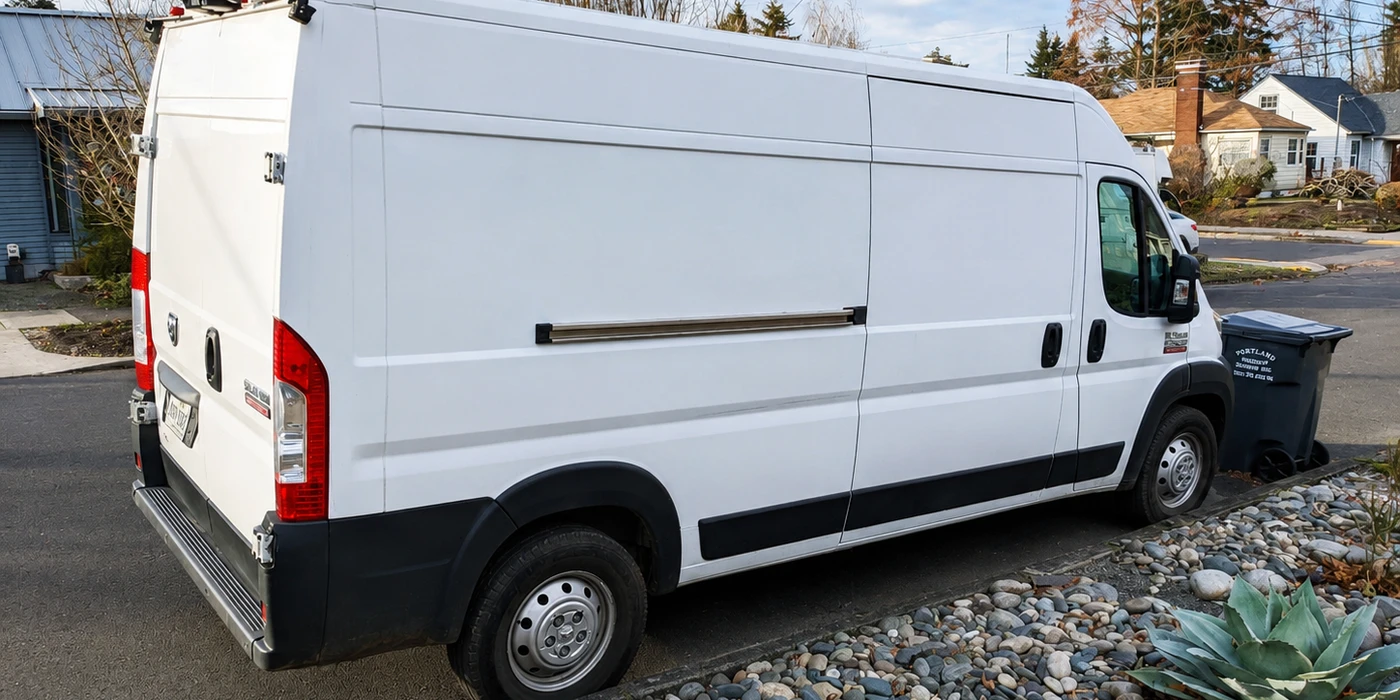
A van conversion is more than just tossing a mattress in the back. Core components include insulation, plumbing, electrical systems, and interior design—the choices you make here will significantly impact your wallet. Take the 2021 Ram ProMaster 2500, listed at $44,900 in Las Vegas. This isn't just any van; it includes a full bathroom and off-grid capabilities.
Insulation types can range from budget-friendly Reflectix to high-end sheep wool, affecting both cost and comfort. Plumbing might be as simple as a foot pump sink or as complex as a full shower and toilet setup like the Ram ProMaster. Electrical systems vary widely, too. You could go basic with a couple of batteries or invest in a comprehensive solar array. Interior design, from cabinetry to flooring, also plays a pivotal role in cost. Each element should be prioritized based on your needs and how they fit with your lifestyle and budget.

Comparing Van Conversions to Other Alternative Homes
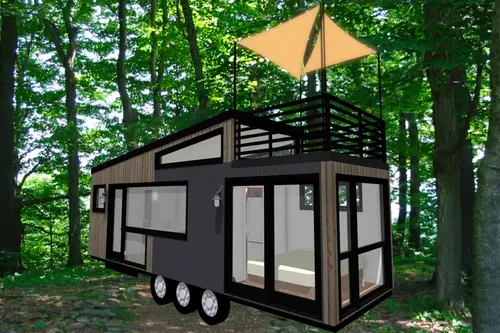
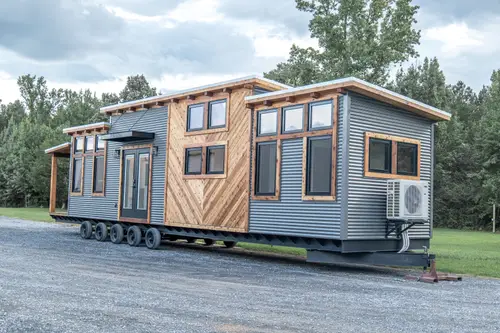
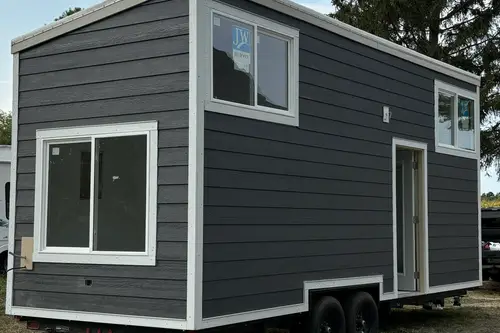
Now, let's talk numbers. The average van conversion cost stands at $77,648, which isn't far off from tiny house trailers, averaging $60,297. On the other hand, converted buses can start as low as $19,000. So why the discrepancy?
Van conversions often require more refined craftsmanship due to space constraints, which can drive up costs. They're also inherently more mobile than a tiny house trailer or a converted bus, appealing to those with a wanderlust spirit. But if it's space you crave, maybe look into a container home, where the average sits at $95,000, or even a cabin, averaging $69,300. The practical takeaway is clear—consider whether the flexibility and mobility of a van truly fit your lifestyle over other alternative home options.
Financing and Investment Considerations
Financing a van conversion isn't just about having cash on hand. Many listings, like the Ram ProMaster 2500, offer financing options, making it more accessible to the everyday adventurer. But think about potential resale value, too. Some van conversions maintain or even appreciate in value, especially in states with high demand.
Before jumping in feet first, evaluate the financing options and potential returns on investment. With states like California showing an average price of $91,565, where a range of $34,900 to $159,957 exists, there's room for future growth as the market evolves. Understanding state-specific price variations can also guide you in seeing where the best investment opportunities might lie.
Figuring out the Van Conversion Marketplace
The world of van conversions is vast, but finding the right listing doesn't have to be overwhelming. When browsing the Nomad Adjacent marketplace, take advantage of filters to narrow down your search. Virtual tours and in-person visits are invaluable, offering insights into condition and craftsmanship that photos can't convey.
Don't hesitate to negotiate. Sellers often expect it, and the price you see isn't always the final word. Utilize resources like the builder directory to connect with conversion specialists who can offer advice or custom build services. The key is to leverage online resources and professional networks to find the best deals and ensure a quality conversion.
Side-by-Side: Comparing Colorado and California Van Listings
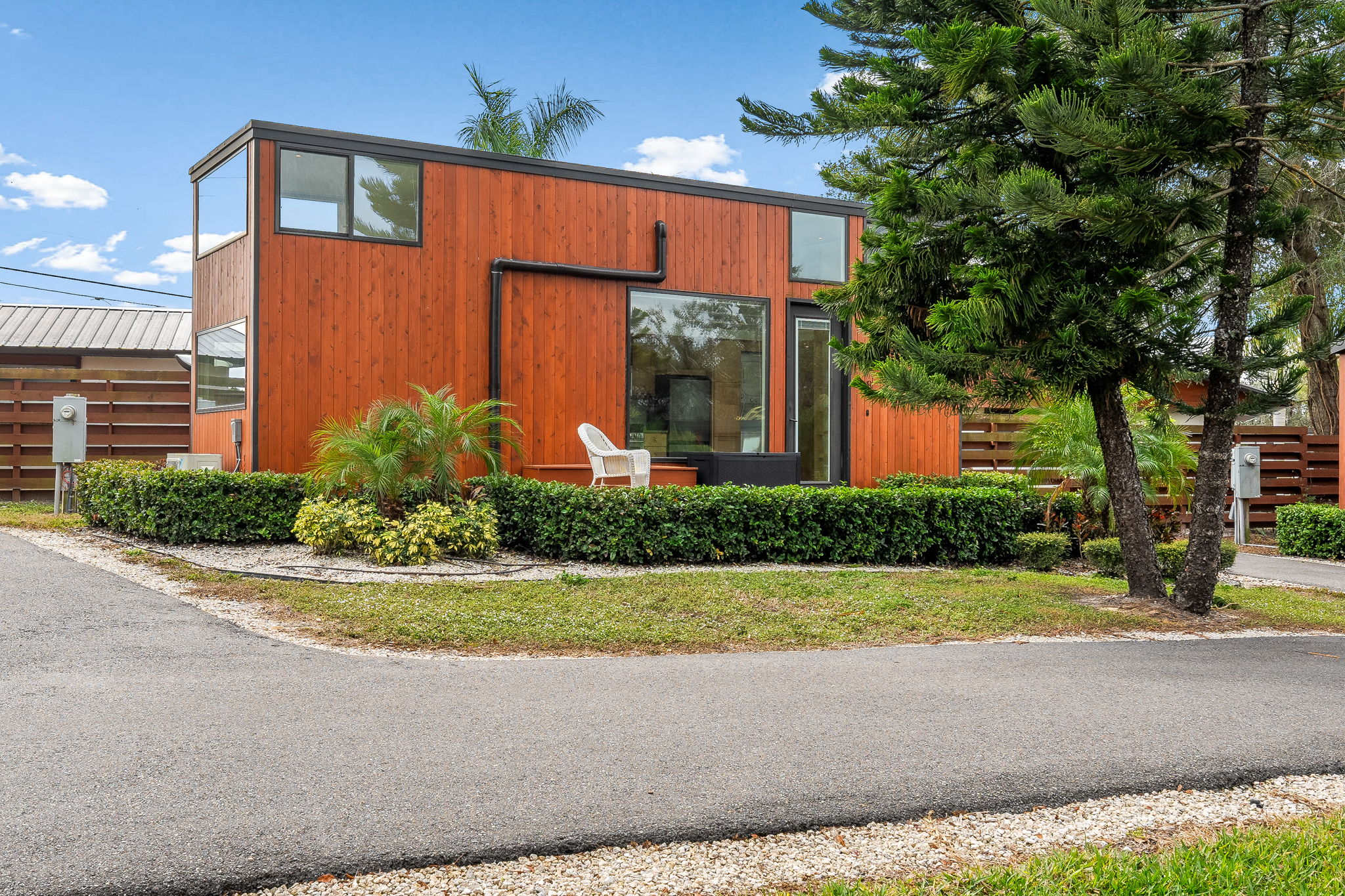
Let's break down two intriguing options from the Nomad Adjacent marketplace: a van conversion in Colorado and one in California. With 14 active listings, Colorado offers a range with prices starting at $39,900 and capping at $99,999, with a sweet spot average of $64,312. On the other side, California flaunts 11 listings with a broader range, from $34,900 up to $159,957, averaging at $91,565. That's a big spread. But here's why.
Consider the features. Colorado's offerings often attract customers seeking solid functionality without over-the-top luxury. You might find a cozy space with essential off-grid capabilities at a digestible price. Meanwhile, California's higher average price is often due to enhanced luxury and high-end finishes, something akin to the Vegas-listed Ram ProMaster but with a California twist. When choosing between the two, it boils down to personal preference: rugged efficiency versus upscale comfort.
Savvy Buying: The Numbers You Need to Know
Thinking of taking the plunge? Let's talk numbers. First up, budget allocation. The rule of thumb is 20% of your budget should be earmarked for unexpected costs—those "surprise, you need new tires" moments. Financing options can soften the initial blow, with many sellers like Michael of the Ram ProMaster offering financing that makes the dream more attainable.
Know this: a van conversion isn't a no-strings-attached purchase. Hidden costs like insurance, registration, and regular maintenance can add up. Don't skimp on these—it's your home and vehicle, after all. Pro tip: if you're scoping out a van in states like Utah, with an average price of $113,875, be prepared for future investments in maintenance or upgrades. Have your budget ready, and always factor in potential resale value when planning your purchase.
Evaluating Your Future Home on Wheels
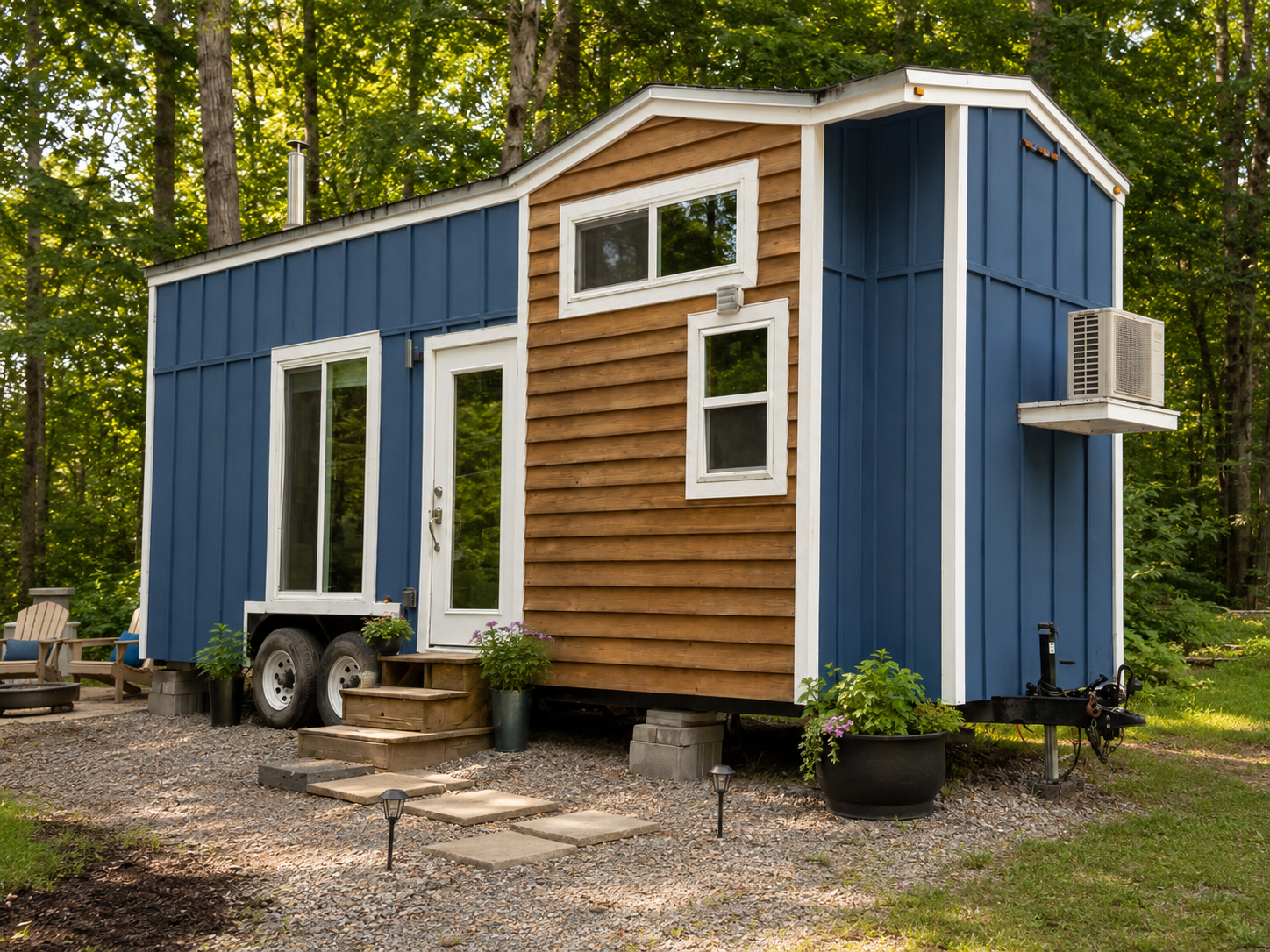
So you're ready to hit the road, but what should you look for when evaluating potential homes on wheels? First, inspect the build quality—especially the plumbing and electrical systems. A well-done van should have no exposed wires and secure, leak-free plumbing. Check the insulation. Whether it's Reflectix or sheep wool, make sure it meets your comfort needs for both summer and winter adventures.
Beware of red flags. Rust on the undercarriage, funky odors, or water damage can spell trouble down the road. Ask for maintenance records and any history of past repairs or modifications. Speaking of modifications, look for must-haves tailored to your lifestyle. Comprehensive solar arrays or full showers like in that Ram ProMaster could be dealmakers. Utilize resources like our builder directory to consult with experts who know what quality looks like. It’s not just about the price tag but the investment in a home that meets your needs for the long haul.
The Future of Van Living: Trends to Watch
As more people embrace van living, emerging trends are shaping the market. Sustainable materials and smart technology are becoming increasingly popular, with features like bamboo flooring or integrated solar systems making a splash in many new builds. These trends are reflected in current listings, influencing not just style but also price—sometimes increasing it as demand grows.
Staying updated on these trends can be crucial for what comes next. They not only impact your decision-making but also the future resale value of your conversion. The market is dynamic, and being aware of these shifts can help you make smarter, more future-proof choices.
The popularity of van living continues to rise, and understanding the cost structure and market dynamics is crucial for making informed decisions. Whether you're looking to embrace the freedom of the open road or invest in a unique lifestyle, keeping an eye on market trends and state-specific data will help you figure out the evolving landscape of van conversions. Adaptability and knowledge are your best tools—use them wisely.