
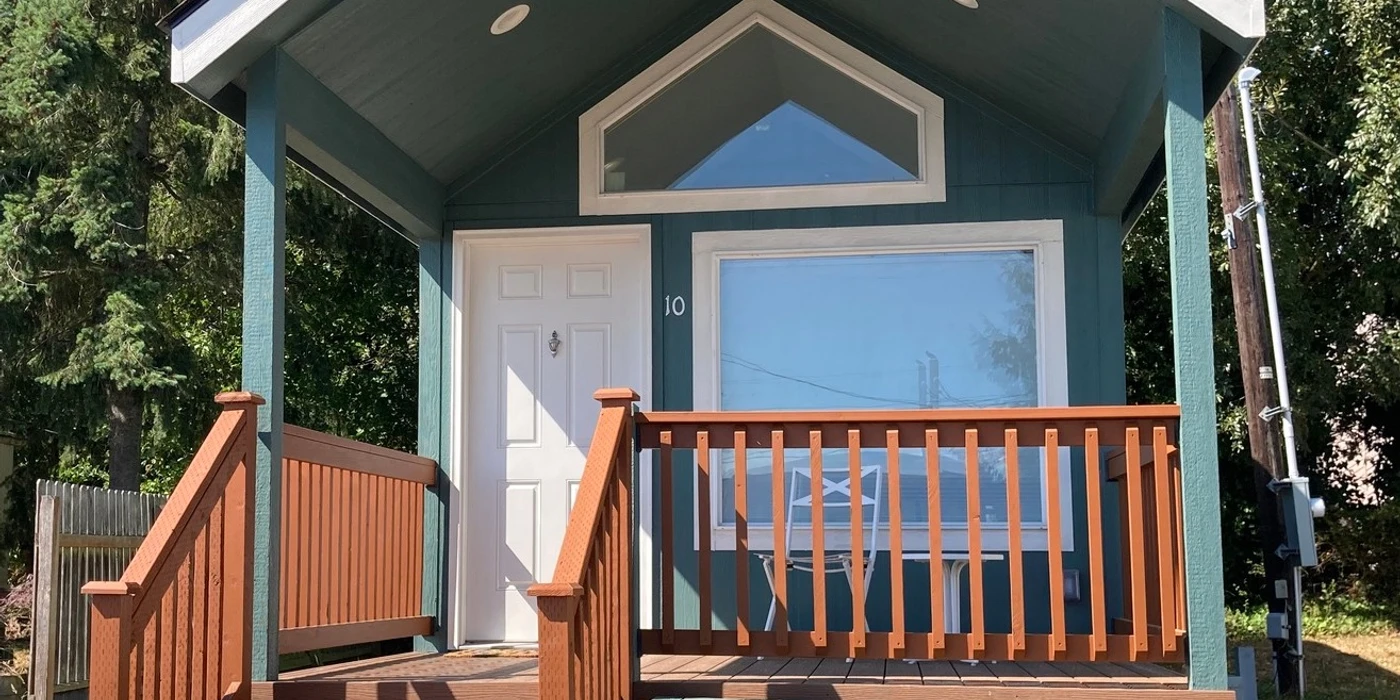
Checking Out Tiny House Communities in Washington: A Guide to Port Townsend and Puyallup
Check out the Sea Breeze and Bowman Hilton communities. Only 2 legal tiny house spots in Washington! Join the sustainable living movement today.

Nomad Adjacent4 months ago
Published under the Nomad Adjacent masthead. This guide was produced with AI assistance and is bylined to the company rather than an individual writer — we don’t attach invented author names to it. Read our editorial standards, or email us to request a correction.
Washington State is not just known for its lush greenery and diverse landscapes but also for taking progressive steps in embracing alternative housing solutions. Did you know that tiny homes can be legally parked year-round in Port Townsend? This forward-thinking approach makes Washington a hotspot for those seeking a minimalist lifestyle without battling local zoning laws.
Tiny Living in Port Townsend: The Sea Breeze Community
The Sea Breeze Community in Port Townsend is a solid pick for tiny house enthusiasts. Not only is it one of the few places in the state where tiny homes can be legally parked year-round, but it also thrives under Washington's supportive zoning laws for alternative housing models. According to the IRC Appendix Q, many areas still struggle with recognizing tiny homes as full-time dwellings, but Port Townsend is clearly ahead of the curve.
What truly sets the Sea Breeze Community apart is its vibrant, eclectic character reflective of the unique spirit of Port Townsend itself. This coastal town is known for its artistic vibe and spirited residents, and the community events within Sea Breeze echo this culture. From weekly potlucks to shared gardening spaces, the sense of belonging here is palpable. Residents don't just live side by side; they thrive together in a lifestyle that promotes sustainability and neighborly connections.
In terms of availability, Port Townsend's Sea Breeze Community holds a unique position. With a limited number of places where tiny homes can legally park year-round, demand is high, and opportunities are quickly snatched up. The marketplace data underscores this scarcity—right now, only 12 tiny home spaces are available in communities across Washington. If you're looking to relocate, the current listings won't keep your options open for long.
For those considering a move to Sea Breeze, the legal advantages alone make it an enticing choice. But add the rich community culture, and it's a compelling combination. Enjoy the freedom of legal parking while diving into a community that's as welcoming as it is progressive.
Inside Bowman Hilton in Puyallup: A Tiny House Oasis
Bowman Hilton in Puyallup is another beacon for tiny house dwellers. located within a 77-space community, it offers 12 dedicated tiny house spaces. This integration with mobile home and RV pads creates a diverse living environment where tiny homes, mobile homes, and RVs coexist, fostering a unique neighborhood dynamic.
Living in Puyallup offers the best of both worlds: access to urban amenities alongside the serenity of natural attractions. Located just a short drive from Seattle, it's perfect for commuters who want to escape the city after work. Yet, the town's green parks and scenic views cater to those seeking tranquility. For those who crave more space, larger properties might be found in other communities across Washington, but Bowman Hilton’s location keeps you close to everything essential.
Marketplace data shows that Bowman Hilton offers competitive pricing when compared to other regions. The availability of spaces here is similarly tight as across the state, emphasizing the popularity of such communities. Prospective residents are encouraged to act quickly and consider their finances; the affordability of tiny homes often results in swift sales.
Getting a spot in this popular community involves being prepared to act swiftly. Prospective residents should have a clear understanding of their budget and avail themselves of the community's resources to smooth the transition. Bowman Hilton offers a mix of affordability and location benefits, making it an attractive option for many.

Economic Considerations: Cost of Living in Washington's Tiny House Communities
Switching gears to the financial aspect, living in a tiny house community like Sea Breeze or Bowman Hilton can be considerably more economical than traditional housing options. For instance, the average cost to own a tiny home in these communities hovers around $87,000—a bargain compared to the steep prices of conventional homes in Washington.
Comparing costs further, residents of tiny house communities often enjoy lower utility expenses thanks to the increased energy efficiency of smaller homes. Community fees are also generally more manageable. With traditional homes, you're not just paying more up front; you're also shelling out significantly more in property taxes and maintenance costs over time.
Recent marketplace trends indicate a growing interest in tiny house communities across Washington. More people are realizing the financial benefits of downsizing and are eager to join communities that offer a sustainable lifestyle. The economic advantages go beyond just the initial savings; they extend to long-term financial stability and environmental impact.
For those contemplating diving into tiny house living, the numbers speak for themselves. The reduced expenses, both immediate and long-term, present a compelling argument for choosing this path. Plus, with the tight-knit social structure native to these communities, the intangible benefits add further appeal.

Figuring out Zoning Laws and Regulations in Washington
One of the biggest hurdles for potential tiny home dwellers is understanding the legal landscape. In Washington, zoning laws can vary significantly from city to city, making it essential to grasp the basics before diving in. Fortunately, Port Townsend and Puyallup offer more leniency, thanks to progressive local governance and an acceptance of alternative housing models.
Understanding the legal requirements involves dissecting zoning codes and knowing when IRC codes or HUD guidelines apply. For example, many areas require special permits for homes smaller than the standard or built on wheels. Both Sea Breeze and Bowman Hilton have successfully navigated these regulations, creating legally compliant and welcoming environments for their residents.
Residents from these communities often share stories of their journeys to compliance, offering insights and tips for newcomers. One resident, for instance, suggests starting with local government websites to understand specific restrictions and then consulting community members who have been through the process.
Equipping yourself with knowledge prior to your move can save a lot of headaches. The key is research and utilizing resources such as the builder directory to connect with professionals familiar with the intricacies of tiny house regulations in Washington.
The Social Fabric of Tiny House Communities
Beyond the legalities and logistics, the social aspect of tiny house communities often takes center stage. Strong social bonds are a hallmark of these communities, where shared spaces and communal activities create a supportive network.
Building community connections is about more than just proximity. It's about shared values and experiences. Residents of tiny house communities often participate in group activities, ranging from shared meals to volunteering for local causes. This integration of lifestyle and social living fosters a balanced environment where privacy is respected, yet camaraderie is encouraged.
Personal stories from residents highlight the unique satisfaction that comes from these environments. One resident notes how the community's support during a personal crisis underscored the value of living among such caring neighbors. The communal aspect offers an increased quality of life that goes beyond mere living arrangements.
The lifestyle isn’t just about living in a smaller space; it’s about embracing a way of life that values sustainability, connection, and happiness. Those considering joining a tiny house community should weigh these social benefits alongside the tangible ones.

Future of Tiny House Living in Washington
The future for tiny house communities in Washington looks bright. With growing interest and supportive legislation, expansion seems almost inevitable. Current market trends show that as demand increases, so does the innovation within these communities.
Advancements in sustainable practices—such as integrating solar power, rainwater collection, and eco-friendly building materials—are becoming commonplace. These innovations not only reduce the environmental footprint but also enhance the quality of life for residents.
The influence of these communities extends beyond their borders. As they push for more inclusive zoning laws, they’re setting a precedent for other regions to follow. The residents of Sea Breeze and Bowman Hilton aren’t just finding a home; they’re actively contributing to changing local housing policies.
For those on the fence about tiny house living, there’s never been a better time to join the movement. By becoming part of these pioneering communities, you’re not just securing a unique lifestyle; you’re also advocating for a sustainable future.
As Washington continues to embrace alternative housing, the future looks promising for tiny house communities like Sea Breeze and Bowman Hilton. By joining these communities, residents not only find a home but also become part of a pioneering movement that champions sustainable living and community engagement. Explore the possibilities today and be at the forefront of this housing revolution.