6 Essential Tips for Insuring Your Tiny Home in 2026
Struggling with tiny home insurance? Nearly 70% face challenges. Use these 6 tips and protect yours, priced at an average of $72,366.

Updated
Published under the Nomad Adjacent masthead. This guide was produced with AI assistance and is bylined to the company rather than an individual writer — we don’t attach invented author names to it. Read our editorial standards, or email us to request a correction.
Understanding the Basics of Tiny Home Insurance
Did you know that nearly 70% of tiny home owners report difficulties in finding insurance that suits their unique needs? With the average tiny home in the Nomad Adjacent marketplace priced at $72,366, securing the right insurance is crucial to protect your investment and ensure peace of mind. Tiny home insurance isn't just a smaller version of homeowners insurance; it's specialized coverage tailored for unique dwellings, like stationary or mobile tiny homes. It typically covers the structure, personal property, and liability, but unlike standard policies, it needs to address the mobility and compact design of tiny homes.
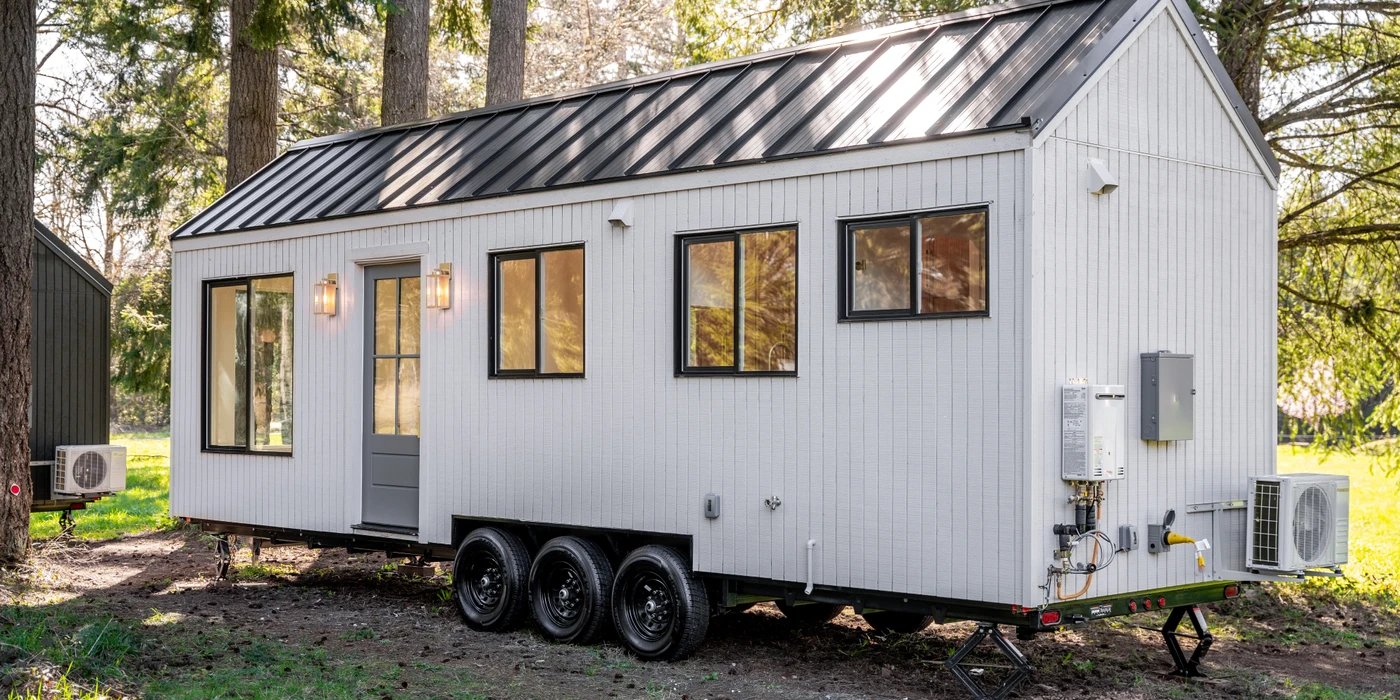
Take the example of the 2024 Modern Tiny Home in Portland, Oregon, priced at $124,000. This home is RV certified, which means it's built to meet specific mobility and safety standards, impacting insurance needs. Mobile tiny homes like this one require policies that consider their transportable nature. Stationary tiny homes, on the other hand, might have more similarities to traditional home insurance.
Key policies to know include personal property coverage, which protects your belongings inside the home, and liability insurance, which helps if someone is injured on your property. For homes meeting specific standards, like the ANSI and NFPA mentioned in the Portland listing, these certifications can be important in defining insurance requirements and can sometimes lead to better pricing or coverage options.
Understanding these basics is essential. It ensures that you choose a policy that suits your tiny home's specific characteristics, whether it's on wheels or set on a foundation.
Factors Influencing Insurance Premiums
Insurance premiums for tiny homes are influenced by several factors, chief among them the home’s size and value. The average tiny home on our market is priced at $72,366, but consider the Portland tiny home we referenced earlier, which is listed at $124,000. The value and size (836 sq ft for this Portland a solid pick) directly impact premiums because a more expensive home typically costs more to insure.
Location also plays a crucial role. Homes situated in urban settings like Portland often face different risks and thus different premiums compared to those in rural or off-grid areas. Urban homes might incur higher premiums due to increased risks of theft or vandalism.
Certifications are another critical factor. The Portland tiny home’s RVIA and NOAH certifications can qualify it for insurance discounts or more favorable terms. Certified homes are generally considered lower-risk investments because they meet stringent safety and construction standards, making them more attractive to insurers.
Knowing how these factors affect premiums can help you strategically lower your costs, whether by seeking out certified homes or understanding the trade-offs of different locations.
$22,000 Tiny House in Columbus, Ohio →
Choosing the Right Insurance Provider
Not all insurance providers are created equal, especially in the niche market of tiny homes. With only 137 active listings in the marketplace, finding a provider that understands these unique homes is vital. Research is your best friend here. Look for providers who specialize in tiny homes and are familiar with the specific standards, such as ANSI and NFPA, that your home might meet.
When evaluating providers, ask pointed questions: What are the coverage limits? How straightforward is the claims process? Are there any exclusions specific to tiny homes? This due diligence can save you countless headaches down the line.
It's also wise to look at local providers, especially in regions with a high concentration of tiny homes, like Portland. Providers with local expertise may offer plans tailored to meet the regional risks and standards more effectively.
The takeaway here is clear: Equip yourself with the right questions and knowledge to find a provider that aligns with your specific insurance needs. Your tiny home deserves nothing less.
Common Challenges in Insuring Tiny Homes
Despite the growing popularity of tiny homes, insuring them remains a challenge. The limited number of providers willing to cover these homes is part of the issue, as evidenced by the 137 listings currently active in the marketplace—a clear indicator of a niche market.
One common challenge is dealing with unique risks and exclusions. For example, homes that are DIY builds might face higher scrutiny or even insurance denial compared to those that are certified. Insurers often prefer homes that adhere to recognized standards, which assure quality and safety.
To overcome these obstacles, joining a tiny house community can be beneficial. Such communities may offer group insurance plans, which can be more accessible and tailored to tiny home living. They also provide a network of support and shared knowledge among fellow tiny homeowners.
Figuring out these challenges requires persistence and resourcefulness, but viable solutions do exist for those willing to seek them out.
How to Save on Tiny Home Insurance
Saving on insurance doesn’t have to mean sacrificing coverage. One effective method is bundling your tiny home insurance with other policies, such as auto or life insurance. Bundling often leads to discounts and simplifies your insurance management.
Another way to reduce costs is by taking advantage of safety and security discounts. Installing features like security systems or fire alarms not only protects your home but can also lower your premiums. Insurers love to see proactive risk management.
Importantly, regularly reviewing and adjusting your coverage can catch inefficiencies or unnecessary costs. As your lifestyle changes or you make upgrades to your home, revisit your policy to ensure it still aligns with your needs.
Actionable steps like these can keep your insurance costs down, ensuring you’re getting the best value without compromising on coverage.
$52,000 Tiny House in Sugar Tree, Tennessee →
Comparing Listings: What's Your Value for Money?
Let's weigh the options: On one hand, we have the 2024 Modern Tiny Home in Portland, Oregon, priced at $124,000. It's 836 sq ft, RV certified, and meets ANSI and NFPA standards. On the other hand, consider a smaller offering on the Nomad Adjacent marketplace: a more budget-friendly option closer to the $72,366 average. While this second home might lack the certifications and size of the Portland listing, it offers an opportunity to customize within a tighter budget.
At $124,000, the Portland a solid pick is about 71% more expensive than the average listing, but it brings guarantees of quality and safety with its certifications. Meanwhile, a more modestly priced home might appeal to DIY enthusiasts, where an additional investment can personalize the space to fit your lifestyle. For those already shopping for their next tiny getaway, these differences highlight the importance of prioritizing your needs and understanding what you're paying for.
Practical Buying Advice: Budget Smarts
Buying a tiny home isn't always as simple as the listing price. Financing options can vary wildly, and knowing where your money will go is crucial. If your budget is roughly $100,000, the $124,000 Portland listing might seem just out of reach. However, it’s wise to allocate about 10% of your budget for hidden costs, such as site preparation and transport fees. These are factors to consider even if you’re eyeing a home at the market average price of $72,366.
For financing, explore options beyond traditional mortgages. Some banks are now offering loans specifically designed for tiny homes, especially those meeting RVIA or ANSI standards. Also, consider setting aside funds for insurance, which can be higher for mobile homes due to their transportability. In a market with 137 active listings, doing your homework on local costs can save you a fortune in the long run.
$69,900 Tiny House in Cincinnati, Ohio →
Evaluating Tiny Homes: Red Flags and Must-Haves
When evaluating potential tiny homes, keep an eye out for red flags. Start with the build quality: a prevalence of leaks or water damage is a warning sign. Check the home's adherence to safety standards—certifications like NOAH or RVIA can indicate a well-built structure. The Portland listing’s ANSI compliance is a reassuring indicator of its quality.
Also, assess the utilities. Does it have a reliable water, sewage, and power setup? If you're eyeing one of the many tiny homes for sale here, understanding the layout and whether it meets your daily living needs is crucial. Don’t shy away from thorough inspections; they’re worth the peace of mind. Inspect both appliances and structural integrity, and prioritize must-haves like a solid foundation or reliable mobile features if it’s on wheels.
Future Trends in Tiny Home Insurance
The tiny home movement isn’t slowing down. Growing interest in these dwellings is likely to attract more insurers to the market, potentially leading to more competitive rates and a wider array of options for consumers. As interest surges, insurers are becoming more familiar with this specialized market, which is great news for current and prospective tiny home owners.
Technological advances are also starting to influence insurance. Smart home devices, for example, provide new data that insurers can use to assess risk and determine premiums. These technologies can lead to more personalized insurance options.
Finally, stay aware of potential regulatory changes. Updates to ANSI or NFPA standards, for instance, could impact insurance requirements and costs. Keeping informed of these changes helps you stay proactive in managing your tiny home insurance and ensures you’re always compliant and adequately protected.
As the tiny home movement continues to grow, so too will the options and resources available for insuring these unique dwellings. By understanding the nuances of tiny home insurance today, you can better protect your investment and ensure it remains a cherished sanctuary for years to come. Stay informed, stay covered, and embrace the freedom of tiny living.