6 Essential Tips for Buying an Off-Grid Tiny Home in California
Check out 6 essential tips for purchasing off-grid tiny homes in California. With 143 listings averaging $120,302, find your sustainable dream home.

Published under the Nomad Adjacent masthead. This guide was produced with AI assistance and is bylined to the company rather than an individual writer — we don’t attach invented author names to it. Read our editorial standards, or email us to request a correction.
Understanding the Off-Grid Market Landscape in California
The allure of off-grid living is stronger than ever, with over 143 active listings on the Nomad Adjacent marketplace alone. At an average price of $120,302, these tiny homes are becoming an increasingly popular choice for those seeking an alternative to California's notoriously expensive housing market. Compare that to the eye-watering median home price of $718,687 in California as of 2026, and you start to see why tiny homes are attracting attention. Here's the thing: off-grid living isn’t just about saving money. It's a lifestyle choice that promises sustainability, independence, and a reduced carbon footprint. With California's push towards renewable energy and stricter environmental regulations, residents are more motivated than ever to adopt eco-friendly living solutions. The 143 listings available suggest a growing market that’s responding to this demand, indicating a trend toward alternative, sustainable housing options. For buyers, understanding these market dynamics is crucial. It helps you identify not just the immediate options available but also the broader trends you might be buying into. With the increasing demand for sustainable living solutions, now might be a prime time to explore tiny homes for sale and invest in a lifestyle that aligns with these growing values.Evaluating Listings: What to Look for in a Tiny Home
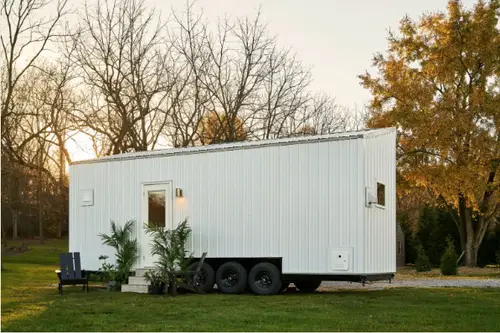
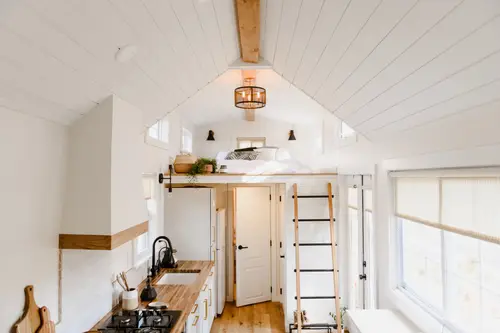
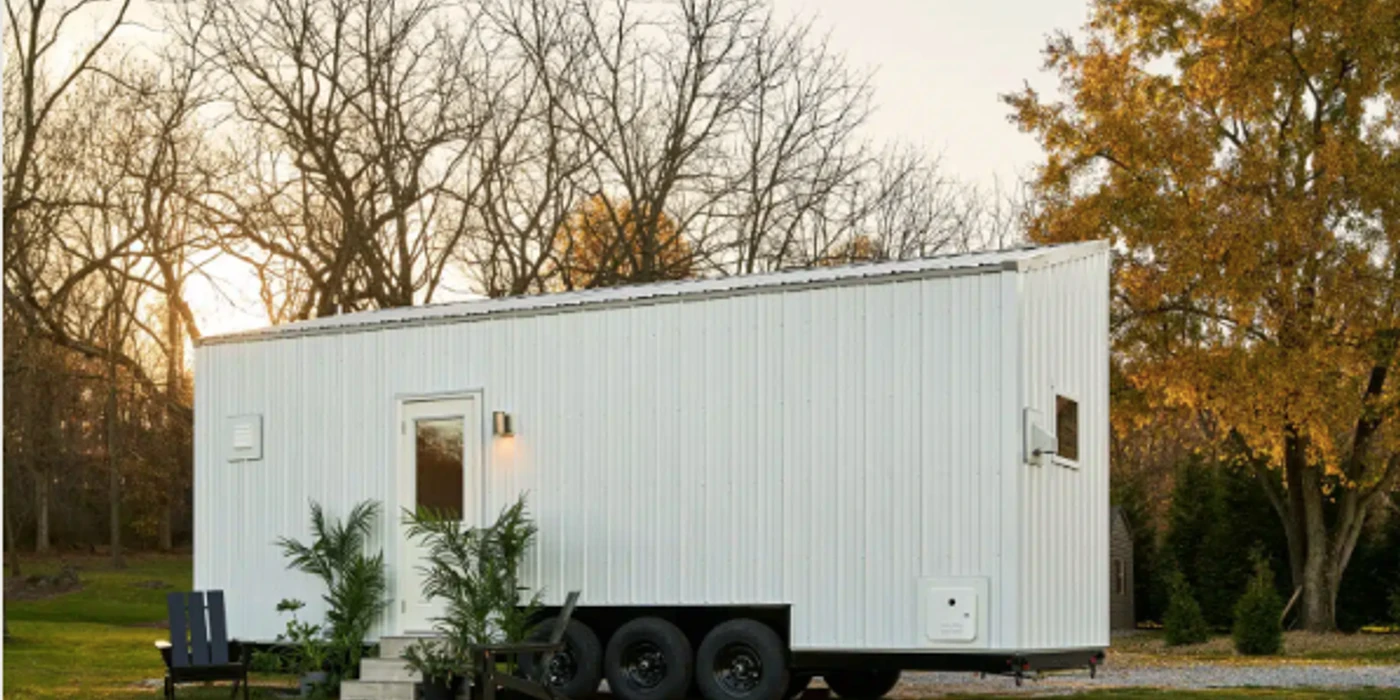
When evaluating tiny homes, size, amenities, and mobility are key factors to consider. Take the "26' Tiny Home with Loft" in San Diego, for instance. This a solid pick is 725 square feet of efficient design boasting metal siding and a trailer base, offering both durability and portability. Priced at $81,853, it’s considerably below the average tiny home listing price of $120,302 — a potential bargain if you're looking to make a smart investment. This home isn't just about aesthetics. It includes practical features like a full bathroom with a flush toilet, a mini-split system for heating and A/C, and a kitchen equipped with a two-burner cooktop and oven. Plus, it offers 14 months of full home warranty coverage, providing peace of mind that’s often missing in the world of tiny homes. To make informed decisions, it's essential to understand what you need. Evaluate whether a loft adds valuable storage or sleeping space for you. Consider if the mobility of a trailer-based home fits your lifestyle. And always compare listings to see which features are prioritized by different builders. For more options and to see how other designs stack up, check out our entire listings inventory.Budgeting for Off-Grid Living: More Than Just the Purchase Price
Buying an off-grid tiny home involves more than just meeting the listing price. Beyond the $81,853 you might spend on the San Diego model, you must budget for land, permits, and essential off-grid systems like solar panels and water filtration. These costs can vary significantly depending on location and the level of self-sufficiency you desire. Setting up an off-grid system isn’t just about the initial outlay; it's also about long-term savings. Tax incentives for sustainable housing can help offset costs, and financing options are becoming more available as lenders recognize the value in energy-efficient homes. Make sure to explore all avenues to alleviate your financial load. A comprehensive budget is your safety net. By factoring in all possible expenses before making a purchase, you shield yourself from unforeseen financial pitfalls. Before diving into this adventure, a little number crunching will save you a lot of heartache. For more advice on financing options and potential savings, talk to experts listed in our builder directory.Figuring out Zoning Laws and Permit Requirements in California
Zoning laws and permit requirements in California can feel like a maze. The state is progressive about tiny homes, yet there are still rules to follow. For instance, the IRC Appendix Q provides guidelines for tiny homes on foundations, while HUD regulations address tiny homes on wheels. In places like San Diego, securing the right permits for your off-grid systems is crucial. Whether it’s solar panels or a composting toilet, local regulations will dictate what’s permissible on your property. Being well-informed about these legal requirements not only ensures compliance but also prevents costly fines and delays. Figuring out these waters requires diligence. Start by checking local zoning laws and consulting with builders who are familiar with California's regulations. For insights from residents who’ve walked this path, explore tiny house communities. You'll find a network eager to share their experiences and advice.Selecting the Right Builder and Community
The builders you choose will shape your home. In California, reputable names like Atomic Homes and Liv-Connect, manufacturers of the San Diego listing, offer assurance of quality and a track record of satisfied customers. Connecting with experienced builders who understand the nuances of off-grid living is key. But a builder is only part of the equation. Joining a tiny house community can be invaluable. These communities offer support, shared resources, and a social network that understands the unique challenges and joys of tiny living. To link up with communities and find trusted builders, browse our builder directory and community directory. Establishing a strong network will guide you through the process, from initial purchase to final settlement. By forming connections now, you're investing in a support system that will pay dividends throughout your tiny living journey.Maximizing Your Investment: Resale and Longevity
A tiny home's value doesn’t stop at the initial investment. Its resale potential can be significant, especially as demand for sustainable housing increases. Factors such as quality construction, prime location, and the allure of off-grid living can appreciate your investment over time. Maintenance is a critical aspect of preserving, and even increasing, your home's value. The durable materials like metal siding and roofing on the San Diego tiny home demonstrate a commitment to longevity. Regular upkeep not only extends the life of your home but enhances its appeal to future buyers. Investing in quality from the start sets the stage for future returns. As more people seek out eco-friendly lifestyles, your well-maintained tiny home could stand out in a crowded market. Think of your home not just as a living space but as a long-term investment. For more on maintaining and maximizing your home’s potential, head to our blog for tips and insights.Comparing Listings: San Diego vs. The Bay Area
If you're eyeing the "26' Tiny Home with Loft" in San Diego, you might wonder how it stacks up against other options. Let's put it head-to-head with a listing from the Bay Area: the "24' Container Home" priced at $95,500. At 650 square feet, it's slightly smaller but uses space efficiently with its clever layout and rooftop deck — a nice touch for those sunny California days.
Price-wise, San Diego's tiny home stands at a more wallet-friendly $81,853 compared to the Bay Area's $95,500. But don't just look at the sticker prices. Consider the features: San Diego's model has a full bathroom, mini-split A/C, and a 14-month warranty. The Bay Area home, however, includes solar panels and rainwater collection, making it a stronger contender for those committed to off-grid sustainability. To see more options and compare, browse our listings for current availability.
Practical Buying Advice for Off-Grid Enthusiasts
Budgeting for an off-grid tiny home is like piecing together a puzzle. Sure, the $81,853 price tag on the San Diego model is appealing, but don't fall into the trap of thinking that's all you'll spend. Financing can be tricky; traditional mortgages are hard to secure, but some lenders offer personal loans tailored to tiny homes. Allocate around 10-15% of your budget for unexpected costs — think land surveys, local permits, and hooking up off-grid systems like solar arrays or composting toilets.
Let's not forget the hidden costs. Transporting your home to your perfect patch of sweet spot can add thousands to your bill. Expect to spend roughly $1,000-$3,000 for a tow within California, depending on distance and complexity. And while we're talking numbers, factor in insurance. Tiny homes on wheels can be insured like an RV, but rates vary widely. A good ballpark? Around $1,000 annually, depending on coverage and location. For insights on how to juggle these expenses, the blog offers budgeting tips and expert opinions.
What to Look for When Inspecting Tiny Homes
Inspecting a tiny home is a blend of art and science. Red flags? Start with the basics: the structure. Hairline cracks on walls may point to bigger problems, like shifting foundations. Take a flashlight for dark corners and check under sinks for leaks or water damage. In San Diego's listing, for example, that metal siding is great for durability, but make sure there's no rust or corrosion.
Must-haves include proper insulation. California nights can go from balmy to brisk, and good insulation keeps things cozy without skyrocketing energy costs. Inspect the windows — double-glazed is ideal for insulation. In homes like the Bay Area container unit, effective ventilation is key, especially with all that glass. Lastly, don't skimp on the paperwork. Ensure the home has all necessary certifications, like RVIA or NOAH, guaranteeing it meets safety and quality standards. For more inspection tips, the builder directory connects you to experts who can offer guidance.