The Ultimate Container Home Pricing Guide: Figuring out Costs Across 15 States
Explore container home prices from $8,500 in Florida to $214,000 in Utah. Check out why location affects costs and find your perfect match on our listings.

Nomad Adjacent5 months ago
Published under the Nomad Adjacent masthead. This guide was produced with AI assistance and is bylined to the company rather than an individual writer — we don’t attach invented author names to it. Read our editorial standards, or email us to request a correction.
Did you know that the price of container homes can vary by over $200,000 depending on the state? In Utah, the maximum price can reach a staggering $214,000, while in Florida, you could spend as little as $8,500. Understanding these price variations is essential for anyone considering a container home.
Understanding the Container Home Market
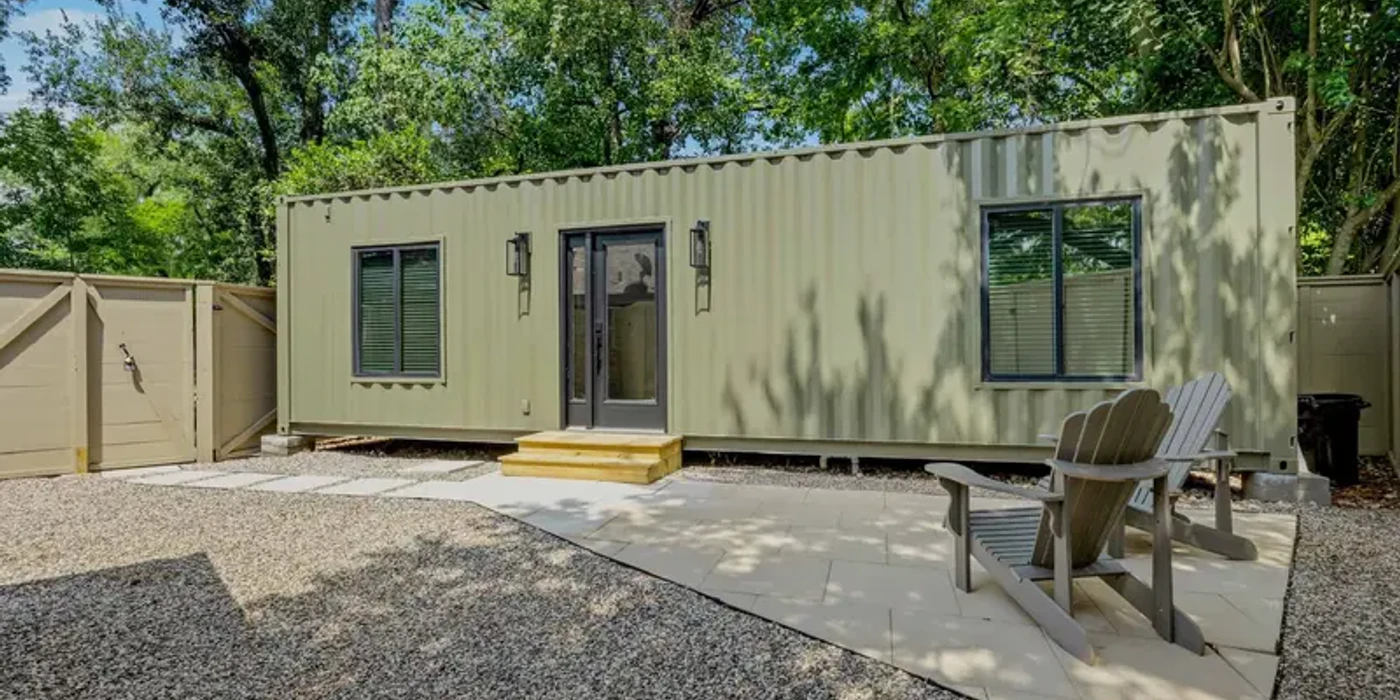
Container homes, born from repurposing shipping containers, are gaining traction as a sustainable and affordable housing option. They're not just boxes slapped together; they're innovative, durable, and imbued with modern aesthetics that appeal to the eco-conscious and budget-minded alike. The appeal of these homes is reflected in their market presence, with average prices for container homes at $85,250, slightly above the $72,507 average for all alternative homes.
The benefits of container homes are significant. They're cost-effective compared to traditional housing, incredibly durable due to their original design for enduring harsh sea conditions, and offer a blank slate for customization. With the growing number of container homes in our marketplace, it's clear that more people are embracing this unique blend of affordability and style.
The takeaway here? While container homes offer compelling benefits, understanding market averages and how they fit into your budget is crucial before diving in. Explore our container homes to see what's currently available.
Price Variations by State
Geography plays a significant role in the cost of container homes. Let's compare some states:
In California, the average price for a container home is $83,351. However, hop over to Utah, and you're looking at an average of $111,500. The higher Utah prices can be attributed to increased demand for eco-friendly housing and the associated land costs. Meanwhile, the max price in Utah reaches $214,000, emphasizing how high the demand is there.
Contrast this with Florida, where the average price is $52,100, and you can snag a container home for as little as $8,500. Florida's affordability could be due to the climate, which reduces the need for heavy insulation, and the availability of recycled materials. Then there's Georgia and Pennsylvania, with average prices of $76,755 and $82,525, respectively. Regional economic factors and the availability of materials impact these prices.
The practical takeaway? Location dramatically affects container home costs. Be sure to consider state-specific economic and environmental factors when planning your purchase. For more options, browse all listings by state and find the perfect fit.
Comparing Container Homes to Other Alternative Housing
Let's stack container homes against other popular options. With an average price of $85,250, container homes are a mid-range alternative. Compare this to tiny houses, which average $74,590. While tiny houses may offer lower prices, container homes provide more space efficiency and design flexibility.
For those on a tighter budget, converted buses come in at a lower average of $28,300. These offer mobility and a minimalist lifestyle, attracting adventurers and those seeking a smaller environmental footprint. On the other end of the spectrum, high-end models like certain vans can reach $120,000, offering mobility and upscale amenities for those willing to pay a premium.
The practical takeaway here? Container homes offer a competitive mid-range price option with ample potential for customization, making them a versatile choice in the alternative housing market. For those interested in mobility, van conversions offer another avenue to explore.
Factors Influencing Container Home Prices
Several key factors influence the final cost of a container home. First off, material and construction costs. While using recycled materials can help keep costs down, specialized construction and customization can drive them up. Consider the influence of permits and land costs, which vary significantly by location and can add up quickly. Referencing IRC codes and HUD guidelines is crucial to staying compliant with local regulations.
Another factor is off-grid capabilities, which can be a double-edged sword. They enhance self-sufficiency but can increase costs. For example, a $135K desert container in Joshua Tree has off-grid features, contributing to its price.
Understanding these components is vital for budgeting and planning your container home purchase. Explore our builder directory to connect with professionals who can guide you through the cost-saving strategies and compliance requirements.
Case Studies of Real Listings
Let's look at some concrete examples. A 31' tiny house in Alabama is listed at $34,000, contrasting with the state's average of $106,892. This model offers a snapshot of what's possible when balancing size, amenities, and cost. Meanwhile, in Texas, you can find more modestly priced container homes starting at $30,000, while Utah tops out at $214,000 for high-end models.
The variety of listings highlights the range of opportunities available across states. Real-world examples like these provide insights into market trends and help buyers identify the best value for their needs. For those checking out options, our selling and listing platform allows you to find more specific listings tailored to your preferences.
Comparing Specific Listings: Alabama vs. Texas
Let's do a side-by-side of two container homes that highlight the diversity in this market. First, we've got the 31' tiny house in Slocomb, Alabama, listed at $34,000. With three bedrooms, one bath, and 1,049 sq ft of living space, it's a spacious option for families. This home's features include 12 windows for natural light, a mini-split air conditioner with a heat pump, and a small wood-burning stove. Now, compare that with a modest container home in Texas starting at $30,000. While Texas offers similar pricing, keep in mind that space and amenities might differ significantly. Texas's average container home price is $67,531, a good indicator that base prices often climb with personalized features or prime locations.
These two listings underscore the critical importance of closely examining listing details. Alabama presents a bargain for more living space and features, but without comparing the nitty-gritty, including construction quality and location, you might miss hidden gems or pitfalls. To learn more about options near you, browse all listings available in your area.
Practical Buying Advice: Financing and Hidden Costs
When buying a container home, financial planning is paramount. Start with a realistic budget. Estimate potential costs beyond the base price—think land acquisition, permits, and utility hookups. Don't forget those sneaky hidden costs like a foundation, which can easily add $6,000 to $10,000. And that's before you even roll in customization expenses. According to the builder directory, customization can vary wildly based on personal taste and structural needs.
Financing options? They're not as straightforward as a traditional mortgage. Check out lenders that specialize in alternative dwelling loans. Sites like Fannie Mae may offer insight into accessory dwelling guidelines. Allocate a buffer of 20% of your budget for unexpected costs. A container with a base price of $100,000 could easily reach $120,000 once all is said and done. Plan accordingly to avoid financial surprises on the path to your new home.
Evaluating Container Homes: Red Flags and Must-Haves
Inspection is your best friend when buying a container home. Start by checking the container's structural integrity—rust or acute wear might be red flags indicating serious deterioration. Before making a purchase, verify compliance with local zoning laws. Not every area is container-home-friendly. Look for must-haves: proper insulation to handle local climate conditions, and solid electrical and plumbing systems, especially if you're considering adding off-grid capabilities.
Inspection of ventilation is crucial due to potential condensation issues in metal homes. Ensure windows and doors are properly sealed. It's wise to consider an inspection by a professional familiar with alternative housing to catch things you might overlook. For community insights, reach out to existing owners through our community directory. Their firsthand experiences can be invaluable in avoiding pitfalls and making informed choices.
Tips for Buying a Container Home
Buying a container home isn't as simple as clicking 'purchase.' It requires careful research and planning. Start by understanding state regulations and planning for additional costs like land and utilities. Customization is another major consideration; container homes can be tailored to suit personal tastes and functional needs, but this can affect budget.
When it comes to financing, there are various options available, but it's essential to budget carefully. Research potential financing options and consider cost-saving tips, like using recycled materials and scaling back on non-essential features.
The practical takeaway? A well-researched purchase ensures a container home that is both affordable and tailored to your lifestyle. For further guidance, our blog offers more tips and insights.
As container homes continue to gain popularity, understanding the nuances of pricing across different states and configurations is key to making an informed decision. By leveraging marketplace data and considering the broader context of alternative housing trends, prospective buyers can find a container home that suits both their budget and lifestyle aspirations. Continue checking out our listings to find the perfect home for you.