
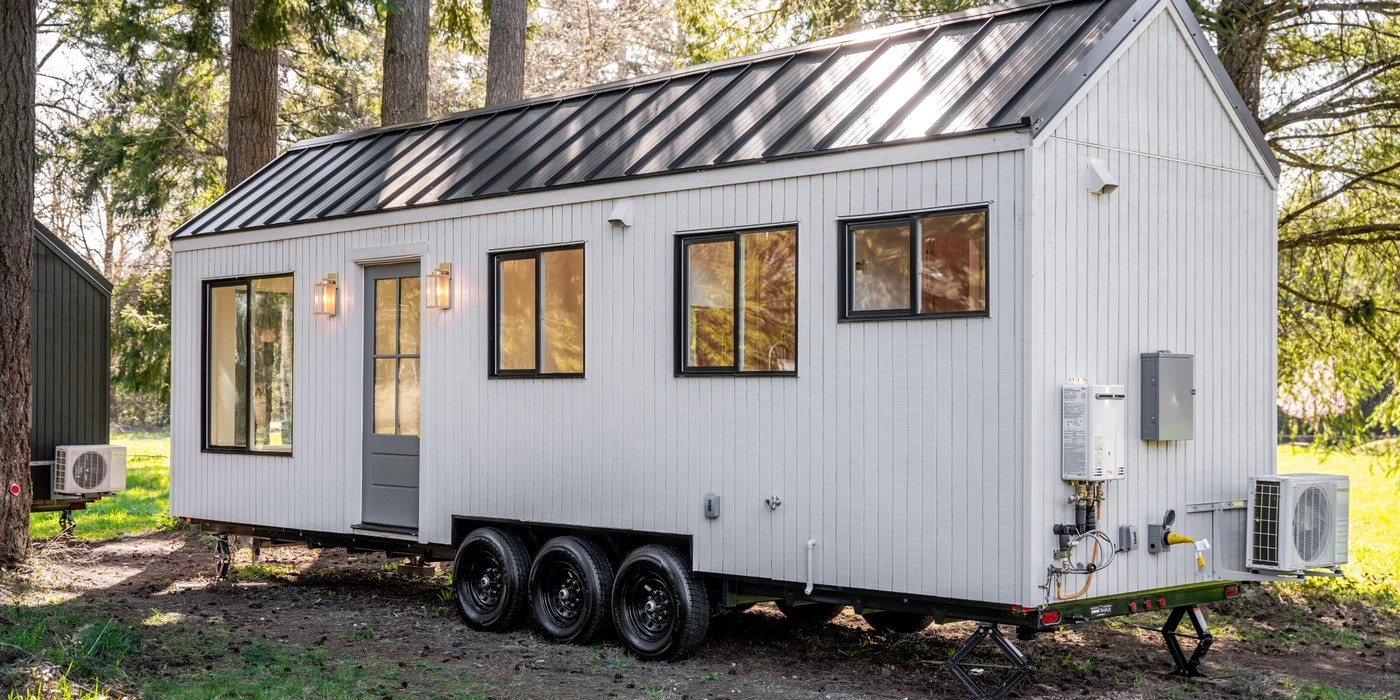
Checking Out the Costs of Off-Grid Tiny Homes Across the United States
Check out off-grid tiny home prices from $8,500 in Florida to $214,000 in Utah. Find out what drives these costs and how to plan your off-grid dream.

Nomad Adjacent4 months ago
Published under the Nomad Adjacent masthead. This guide was produced with AI assistance and is bylined to the company rather than an individual writer — we don’t attach invented author names to it. Read our editorial standards, or email us to request a correction.
Comparative State Analysis: Where Does Your Money Go?
Here's the thing: off-grid tiny homes aren't one-size-fits-all, which is why their prices vary so dramatically across the United States. Take Colorado, for instance. The average off-grid tiny home there will set you back about $60,086. Meanwhile, neighboring Utah demands a heftier $111,125. It's not just about the homes themselves — land value, building permits, and climate considerations all play a part.
Look at the maximum price in Utah: $214,000. That's more than double Colorado’s top listing of $99,999. Why? Infrastructure costs for off-grid systems play a massive role, especially in states with harsher climates where you need more robust systems to maintain comfort off the grid.
Now, shift your gaze west to California. While the minimum price for a tiny home here starts at $22,800, the upper limit stretches to $159,957. Compare this with Pennsylvania, where prices range from $11,900 to a surprising $170,000. California's higher average price of $83,422 can be attributed to land scarcity, a tough regulatory environment, and advancements in off-grid technologies pushing costs upward.
Here's a practical takeaway: when you're considering where to plant roots — even tiny ones — you're not just picking a place based on the home's sticker price. Factor in the cost of living and local regulations, which can significantly impact your overall budget. If you're intrigued by more options, right now there are 14 tiny homes listed in Oregon alone.
Type-Specific Pricing: What’s the Best Bang for Your Buck?
When it comes to tiny homes, the type you choose dictates a lot about what you’ll spend and how you’ll live. Currently, there are 110 tiny houses averaging $75,201 on the market. In contrast, converted buses offer a more budget-friendly alternative at $27,133. Sure, tiny houses provide a space-efficient living experience with all the charm in a small footprint, but buses give you that magical mix of mobility and affordability.
Considering container homes? Well, they average $85,250 and come with their own set of perks. Think modern design and durability against the elements. Cabins, which average $69,300, are slightly less expensive, yet offer that rustic charm many dream of. An example to mull over: the 2024 Modern Tiny Home in Portland, Oregon, which is priced at $124,000. This high-end listing gives a sense of what's possible when you prioritize quality and design.
Practical takeaway: Different strokes for different folks. The type of tiny home you choose should match not just your budget but your lifestyle. Are you a nomad at heart? Maybe a converted bus is your speed. Prefer something stationary with a touch of elegance? A container home might just be calling your name. Check out the tiny home listings for more options.
The Influence of Off-Grid Features on Pricing
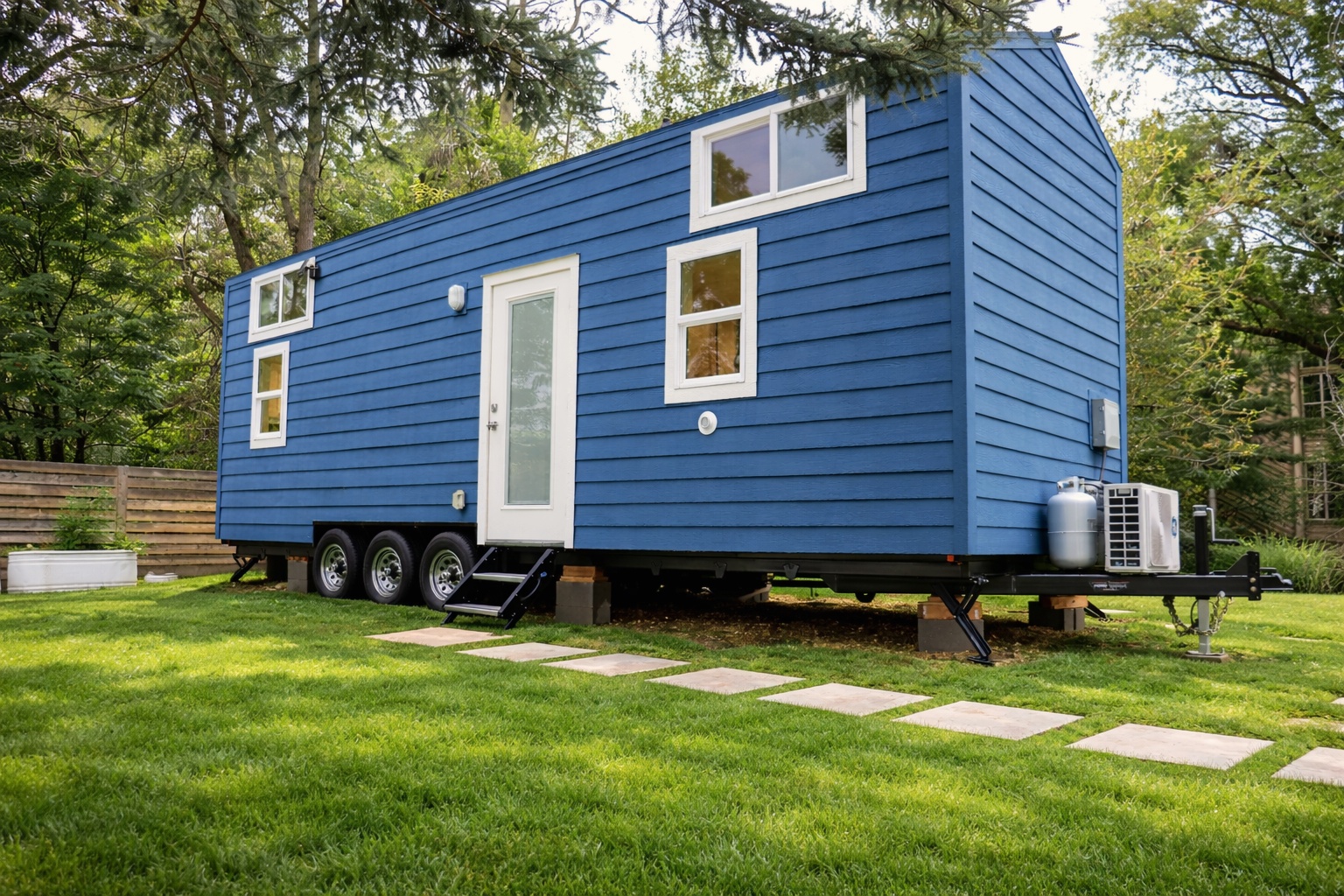
Here’s a reality check: it’s the off-grid features that often tip the pricing scale of your tiny home. Solar panels, wind turbines, and battery storage systems are big-ticket items but crucial for true off-grid living. Look at Georgia, where the average tiny home price is $66,600, and compare it to Alabama's $105,625. The difference often lies in the sophistication and scale of the energy systems installed.
Water and waste management solutions are another major cost factor. Florida’s price range, from $8,500 to $108,000, exemplifies this. Homes equipped with rainwater harvesting systems and composting toilets command higher prices due to their self-sufficiency capabilities.
Practical takeaway: Investing upfront in comprehensive off-grid systems can seem daunting but remember the savings and independence you get in the long run. Imagine living without utility bills! The initial hit can lead to long-term gains, making it a worthy venture for those committed to the off-grid lifestyle.
Figuring out the Regulatory Landscape
Off-grid living isn't just about picking the right home; it's also about figuring out a maze of regulations. Building codes and certifications are crucial, impacting both cost and feasibility. Meet standards like ANSI and NFPA, and you’re gold, but they come with a price tag. Just look at the 2024 Modern Tiny Home in Portland, which has RV and NOAH certifications.
State-by-state differences can surprise you. California's stringent regulations often mean costs soar compared to a state like Texas, where the average price is a more modest $72,136. Understanding these regulations can save a ton of headaches later. Whether you’re eyeing builders in Texas or elsewhere, keep codes in mind.
Practical takeaway: Understand your local building codes and certifications to avoid unforeseen expenses. It’s not just about buying a home; it’s about ensuring that home is up to snuff with local laws, safeguarding your investment and your peace of mind.
Customization and Its Impact on Costs
Customization is the name of the game if you want a home that truly reflects you. Whether you're altering floor plans, upgrading finishes, or using premium materials, these choices drive up costs. But they also add value and personal resonance to your abode.
Consider the Portland listing again: the 2024 Modern Tiny Home. This RV-certified beauty offers the chance for customization, whether it’s tweaking trailer size or finishes. Of course, every change brings an associated cost, but it also means your home fits you like a glove.
Practical takeaway: Customization lets you tailor your home to your heart's desires, but it often requires a healthy budget. The trick is balancing your dream with your financial reality. Interested in what’s out there? Start browsing container homes that offer customization potential.
Spotlight on Listings: Comparing Apples to Apples
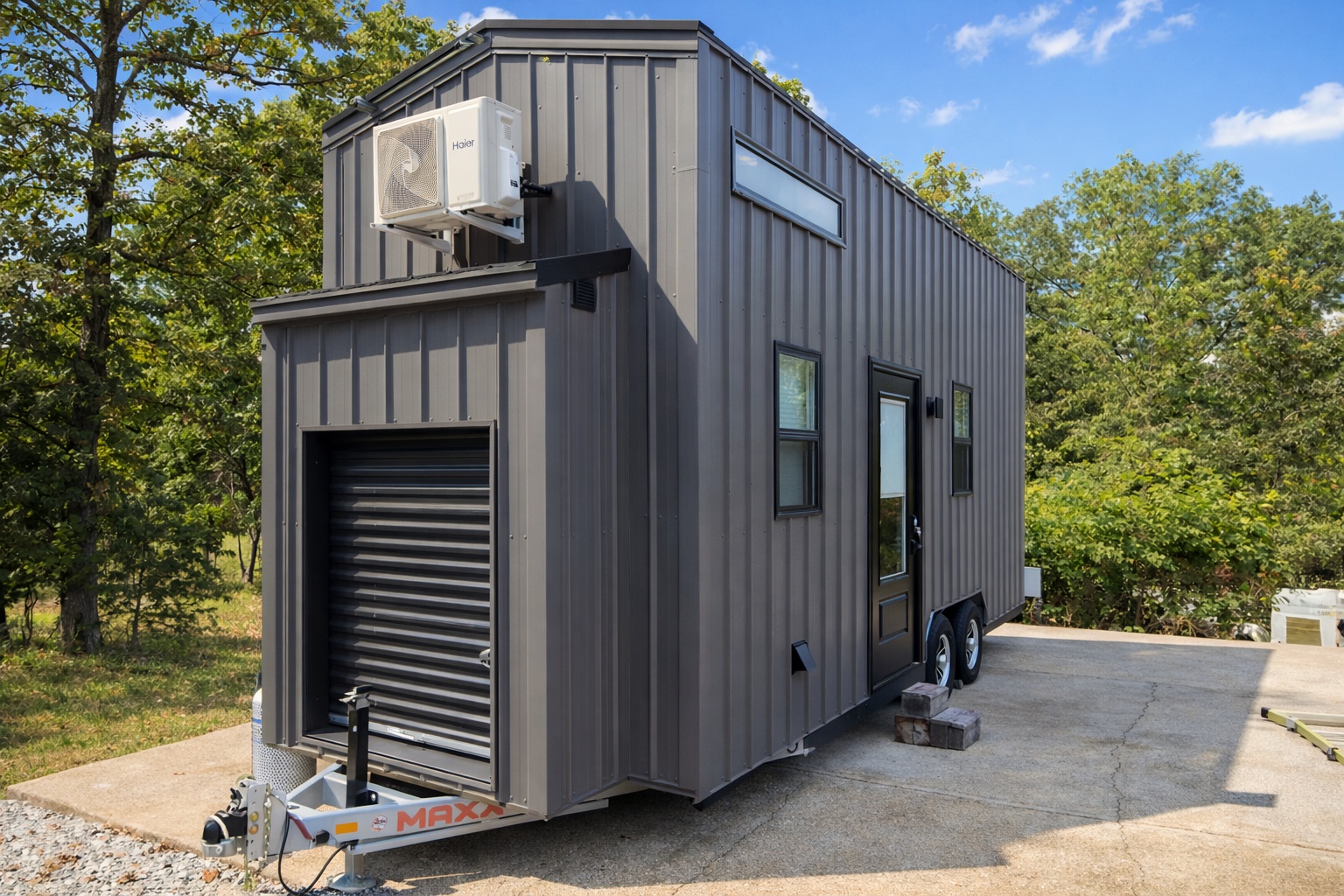
Let's do a side-by-side of two off-grid tiny homes making waves in our listings. First up, there's the 2024 Modern Tiny Home in Portland, Oregon. Priced at $124,000, it has 836 square feet of modern design and comes with all the bells and whistles of RV and NOAH certification. That means it meets strict ANSI and NFPA standards, giving you peace of mind on quality and safety. It also offers one bedroom and one bathroom, rounding out its cozy interior with style.
Now, contrast that with a listing out of Georgia, where the average price sits at $66,600. For nearly half the cost, you get a home that might not have the same high-end certifications or cutting-edge features, but still provides the rugged independence that comes with off-grid living. Sure, it might mean more sweat equity on your part, but for many, that's part of the adventure. Both listings highlight different priorities — high-tech certification and turnkey readiness versus cost-efficiency and potential for customization.
Practical Buying Advice: Dollars and Sense
Before you jump into the off-grid lifestyle, let's talk dollars and sense. Financing a tiny home might not be as straightforward as a traditional mortgage, but there are options. Consider personal loans or RV loans, especially for homes with RV certification like the Portland listing. With the average tiny house costing $75,201, according to our data, setting a realistic budget is critical. Remember to allocate funds for hidden costs like transportation, site preparation, and utility hookups (if any).
Think about this: what looks like a $60,086 spend in Colorado might balloon to more than $100,000 once you factor in these additional expenses. Prepare to cover not just the home itself, but the groundwork that makes your land liveable. Being overly optimistic with your budget could lead to financial strain, so aim to have a buffer — at least 10-20% of your home's cost — for unanticipated expenses.
Evaluating Your Options: Must-Haves and Red Flags
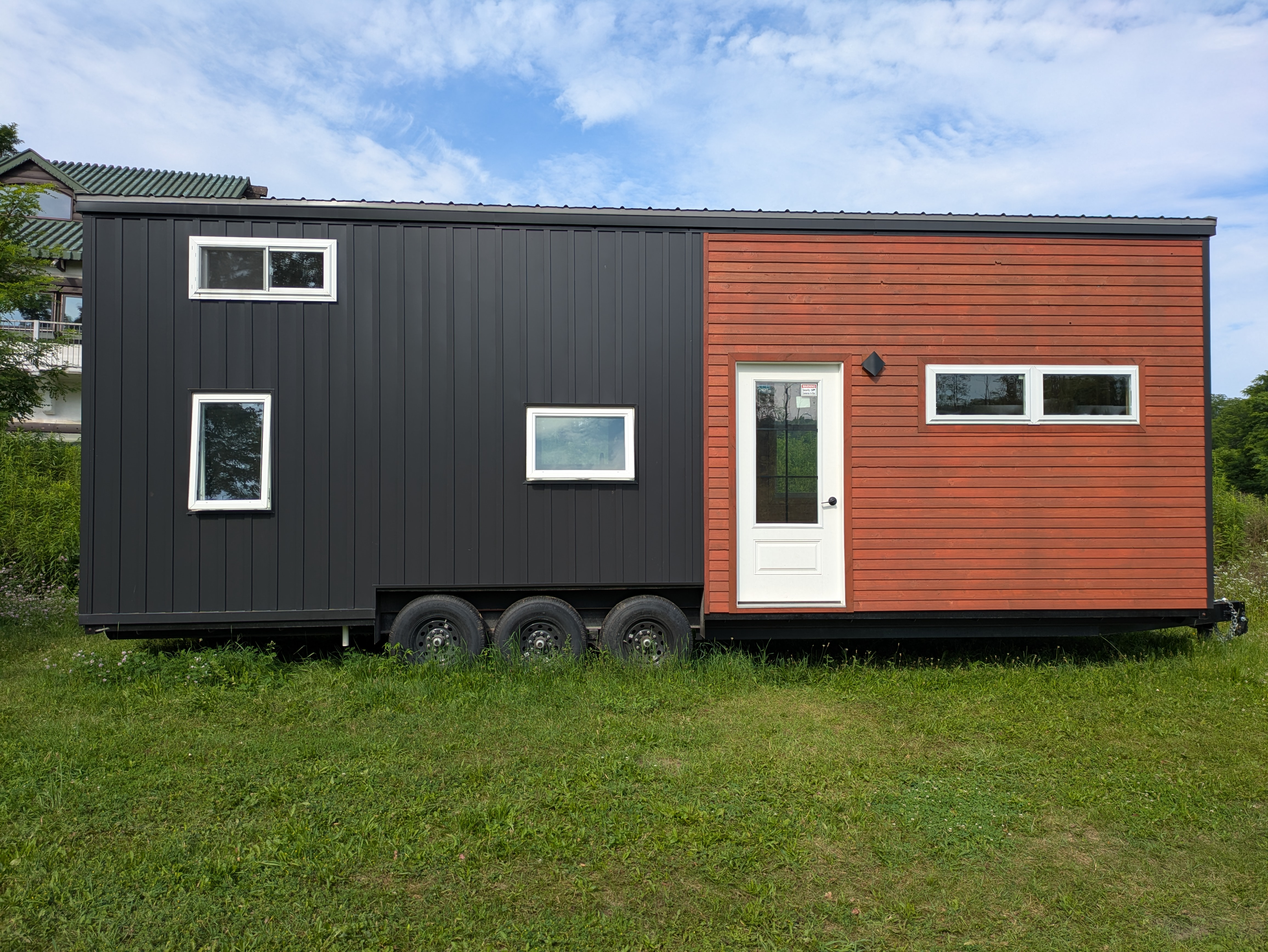
When you're on the hunt for the perfect tiny home, knowing what to look for can save you headaches down the line. Start by assessing the structural integrity: check for water damage, inspect the roof for leaks, and scrutinize the foundation. In off-grid homes, the state of solar panels and the efficiency of battery systems are critical. These aren't just add-ons — they're your lifeline.
Red flags? Watch out for listings that are too good to be true. A home priced significantly below the state average, like Florida's $8,500 entry, might be tempting but could mean costly repairs later. Non-certified homes can also pose risks — without ANSI or NFPA certifications, you may face issues with insurance and resale value. For a deeper look into your options, our builder directory offers vetted professionals who can guide you through the buying process, ensuring you avoid any pitfalls.
The Future of Off-Grid Living
The future is looking promising for off-grid enthusiasts. Tiny house communities are gaining traction, where shared resources can lower individual costs. Imagine having access to communal energy systems or shared water management facilities. Sites like Nomad Adjacent's community directory can guide you to such innovative settlements.
Don't overlook technological advancements either. New innovations are making off-grid living more accessible and affordable. From better battery technologies to cost-effective DIY solar kits, the landscape is constantly evolving, offering more options to potential buyers.
Practical takeaway: As off-grid living gains popularity, expect it to become even more viable thanks to community support and cutting-edge technology. The dream of self-sufficiency is becoming increasingly attainable, opening the door to a sustainable lifestyle that aligns with environmental and financial goals.
The takeaway? While the path to off-grid living is paved with financial considerations, it's an investment in independence and sustainability. Keep tabs on emerging trends and continue checking out options. You just might find your perfect match in this ever-growing market.