
Checking Out Ohio’s Alternative Living Communities: 3 Unique Options for Modern Nomads
Check out Ohio's unique alternative housing options. From a lakeside tiny village to flexible mobile home parks, these communities offer diverse living.

Nomad Adjacent3 months ago
Published under the Nomad Adjacent masthead. This guide was produced with AI assistance and is bylined to the company rather than an individual writer — we don’t attach invented author names to it. Read our editorial standards, or email us to request a correction.
Here’s the thing: Ohio's alternative housing market is making some serious waves. Picture a lakeside tiny village, a flexible mobile home park, and a country-style community offering peace and modern amenities. These aren’t just homes—they’re the future of living for modern nomads seeking something different. With only three such communities listed in Ohio, the scarcity suggests a high demand for these unconventional options. Curious yet?
An Overview of Ohio’s Alternative Housing Landscape
Ohio’s embracing the alternative. With minimalism and sustainability on the rise, alternative housing is catching attention not just locally, but nationwide. According to HUD guidelines, this movement is more than just a trend; it’s becoming a legitimate segment of the housing market. Ohio features only three communities like this right now: a tiny village, and mobile home parks—all catering to the evolving needs of nomads and minimalists alike.
Why Ohio, you ask? Because the state offers a mix of urban convenience and rural charm, making it a prime spot for atypical dwellers. Furthermore, the regulatory environment is beginning to adapt, with local ordinances slowly opening up to alternative structures under the IRC Appendix Q, which recognizes tiny homes as legitimate dwellings. The writing's on the wall: Ohio is ready for this shift.
Cedar Springs Tiny Village: A Lakeside getaway
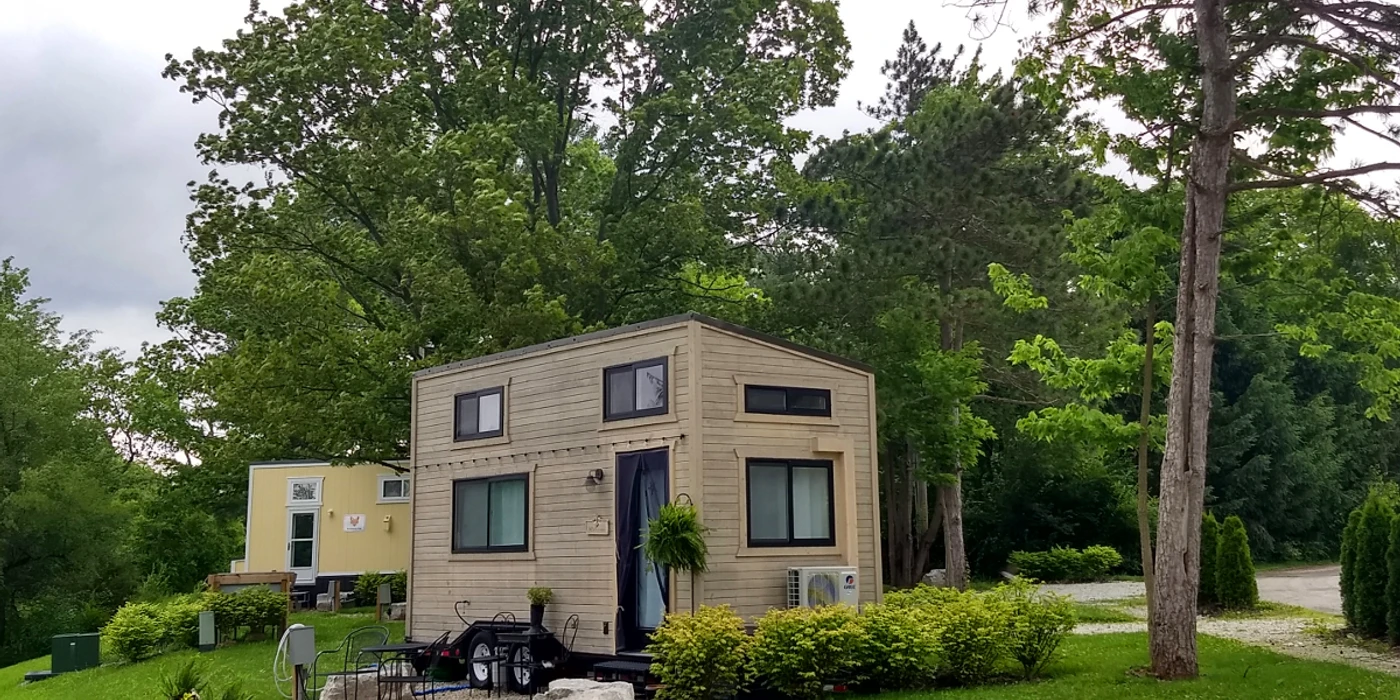
Meet Cedar Springs Tiny Village in New Paris—Ohio’s first of its kind. Founded by Gerald Brubaker, this community is no ordinary neighborhood. It's a conscious effort to contribute to the Tiny House Movement. located (okay, I used it) lakeside, it offers a serene setting that starkly contrasts the hustle of urban Ohio living.
Here's why this matters: Traditional housing in Ohio can cost a pretty penny. But at Cedar Springs, you're looking at significant savings both in terms of cost and energy consumption. Plus, the lifestyle shift is palpable. Imagine waking up to the water's edge rather than city noise. With the appeal of tiny living growing, Cedar Springs sets the bar for future tiny home developments in Ohio.
If you’re inspired to join this movement, check out our tiny homes for sale to start your journey. Cedar Springs is a model that showcases the potential of lakefront tiny villages—efficient, sustainable, and beautifully simplistic.
$17,000 Converted Bus in Cincinnati, Ohio →
New Lebanon Mobile Home Park: A Community with Flexibility
The New Lebanon Mobile Home Park offers something that traditional housing doesn’t: flexibility. Here’s how it works: You visit, see if it feels like home, and then undergo a background and credit check. Simple enough, right? This process ensures that new members match the community vibe—a crucial aspect in a place where multiple stakeholders own the land.
Located in New Lebanon, this park offers a range of amenities that help residents live comfortably but with autonomy. Residents enjoy the freedom of owning their space without the hefty price tag of land ownership. This model has perks, allowing you to focus on personalizing your home and lifestyle without getting bogged down by property taxes.
For those interested, the community directory is a good place to find more mobile home parks like New Lebanon. Flexible living is more than just a concept here—it's a way of life.
Wheat Hill Mobile Home Community: Country Living with Convenience
East Palestine hosts Wheat Hill, a community that blends country charm with urban convenience. With only 42 spaces, it maintains a close-knit feel while offering modern amenities just minutes away. Wheat Hill isn’t just about affordability; it brings a sense of community to the forefront, something urban living often lacks.
Living costs here are significantly lower than in Ohio’s urban centers, making it a smart choice for those looking to balance budget with lifestyle. Plus, you get the perks of country living—peace, quiet, and more space to breathe. Wheat Hill represents the best of both worlds: the tranquility of rural life combined with easy access to the essentials.
Want to see more options like Wheat Hill? Browse all listings to explore other communities that offer this perfect blend.
Cost Comparisons and Practical Considerations
Let’s talk numbers. Cedar Springs Tiny Village, New Lebanon, and Wheat Hill offer compelling alternatives to traditional housing, but how do they stack up cost-wise? Typically, tiny homes in Cedar Springs average around $87,000—that's less than a new truck. Meanwhile, mobile homes in New Lebanon and Wheat Hill can be even more affordable, with prices often lower due to shared land ownership.
What influences these cost differences? Land ownership, community amenities, and infrastructure play significant roles. In Cedar Springs, you're paying for the prime lakeside location, whereas New Lebanon offers lower costs through shared land models. Wheat Hill, on the other hand, provides a balance of cost-effectiveness and lifestyle appeal.
Assessing the true costs and benefits involves looking at more than just the sticker price. Factor in long-term savings on utilities, maintenance, and property taxes. If it’s your first time checking out this lifestyle, consider checking out more articles for insights into cost considerations.
$36,000 Tiny House in Blue Rock, Ohio →
Listing Comparison: Cedar Springs vs. Wheat Hill
Let's break down the specifics of living in Cedar Springs Tiny Village versus Wheat Hill Mobile Home Community. Cedar Springs is Ohio's pioneering tiny village located lakeside in New Paris. Homes here typically average around $87,000, offering the charm of waterfront views and a strong tiny living ethos. Meanwhile, Wheat Hill, located in East Palestine, provides a different vibe—country living with urban convenience. Here, the focus is on affordability and community spirit.
Comparatively, Wheat Hill's mobile homes are often more cost-effective than Cedar Springs' tiny homes due to shared land ownership. With 42 spaces, Wheat Hill offers residents a close-knit atmosphere at a lower price point. While Cedar Springs prioritizes the minimalist lifestyle and scenic surroundings, Wheat Hill emphasizes practicality and proximity to urban amenities. If budget is a significant factor in your decision, you might find Wheat Hill appealing for its balance of cost and community vibe. For more community options, you can browse all listings to see where you feel at home.
Practical Buying Advice: Budgeting and Hidden Costs
When jumping into the alternative housing market, financing and budget allocation become crucial factors. Let’s say you have a budget of $100,000. At Cedar Springs, an $87,000 tiny home leaves room for additional expenses like furnishing, personal customizations, or even the occasional splurge on a better solar setup. Don’t forget the hidden costs: moving expenses, potential landscaping, or even tiny home insurance. These can sneak up on you if you're not prepared.
Financing these homes can be different from traditional mortgages, with options like personal loans or RV loans for mobile or tiny homes. Fannie Mae’s guidelines for accessory dwellings can offer potential pathways to secure funding. It’s essential to have a clear understanding of your financial limits and explore all options. Whether you’re considering Cedar Springs or Wheat Hill, factoring in these hidden costs ensures you won’t be caught off guard. For insights on cost management, check out more articles on our blog.
Evaluating Homes: Red Flags and Must-Haves
Before you sign on the dotted line, evaluating your potential purchase with a critical eye is non-negotiable. Start with the essentials: a thorough home inspection. Whether it's a tiny home in Cedar Springs or a mobile home in Wheat Hill, assessing the structure's quality can save you future headaches. Look out for water damage—the bane of any homeowner's existence—especially if you’re considering a lakeside option.
Also, consider zoning and ordinance compliance. Cedar Springs, benefiting from the IRC Appendix Q, adheres to recognized standards, which is a great start. But do your homework—verify the community’s compliance with local regulations. Must-haves? Think energy efficiency. Homes in these communities often tout sustainable living, so ensure your prospective home meets your expectations in terms of insulation, appliances, and energy sources. Lastly, take note of community rules and lifestyle fit. What’s important is finding a home that aligns with your personal values and lifestyle aspirations.
Figuring out Ohio’s Alternative Housing Options
Choosing the right community is crucial. Start by visiting potential communities, understanding their rules, and evaluating if their lifestyle aligns with yours. The community directory and builder directory offer invaluable resources for exploration.
Transitioning to a new lifestyle means doing your homework. Visit communities, talk to residents, and picture your daily life there. Is it a fit? By matching your personal needs with community offerings, you’re setting yourself up for a successful transition into the alternative housing lifestyle.
Considering a move? Look into listing your current home on our platform with our listing service. It’s a step toward embracing a new way of living.
As Ohio continues to embrace alternative housing communities, those seeking a lifestyle change have exciting options to explore. By understanding each community's traits, you'll find the perfect fit in this growing market. Who knows—perhaps Ohio’s approach will inspire other states to follow suit, broadening the appeal of alternative living even further.